Stereoscope Collection By Usage
On this page, we’ve arranged some of the stereoscopes in our collection by a few interesting use cases they were primarily designed and used for. We know that many stereoscopes were designed, marketed, and used as multi-purpose 3D viewing devices, and that their specific use would be determined by the set of stereoviews purchased for them: travel views, war imagery, erotic photos, etc. A classic example is the View-Master stereoscope, which easily falls into several of our categories, depending on which reels it was marketed with. However, the focus here is on viewers that were almost exclusively single-purpose.
Ways to explore our vintage viewers:
Visual List | Text List | Year | Format | Material | Use | Search
Advertising 3D Viewers
While advertising finds its way to most stereoscopes, these 3D viewers were developed for the sole purpose of marketing a single product or multiple products. The advertising might be on the viewer itself and rarely on the media it comes with — such is the case with the small Neue Photographische (NPG) viewers. Or the advertising is only on the media, not the viewer — as is the case with the Corte-Scope. Or there’s advertising on both the viewer and the media, as with the Stere-o-card. And then there are some that mix it up a bit, sometimes branding the viewer, sometimes not.
In any case, these viewers in their original form, were designed to advertise.
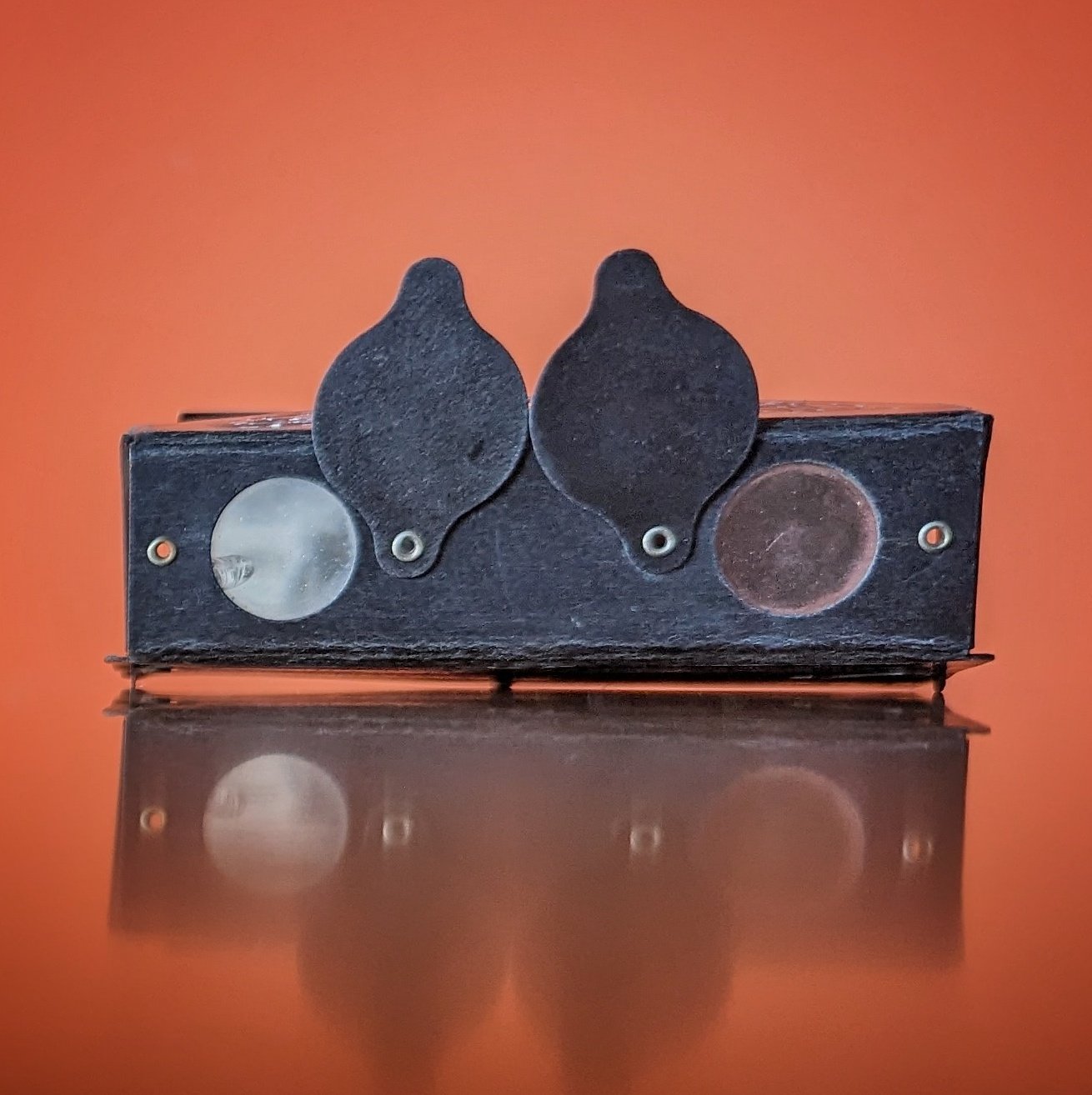
Bergoscope

Chaspec Display
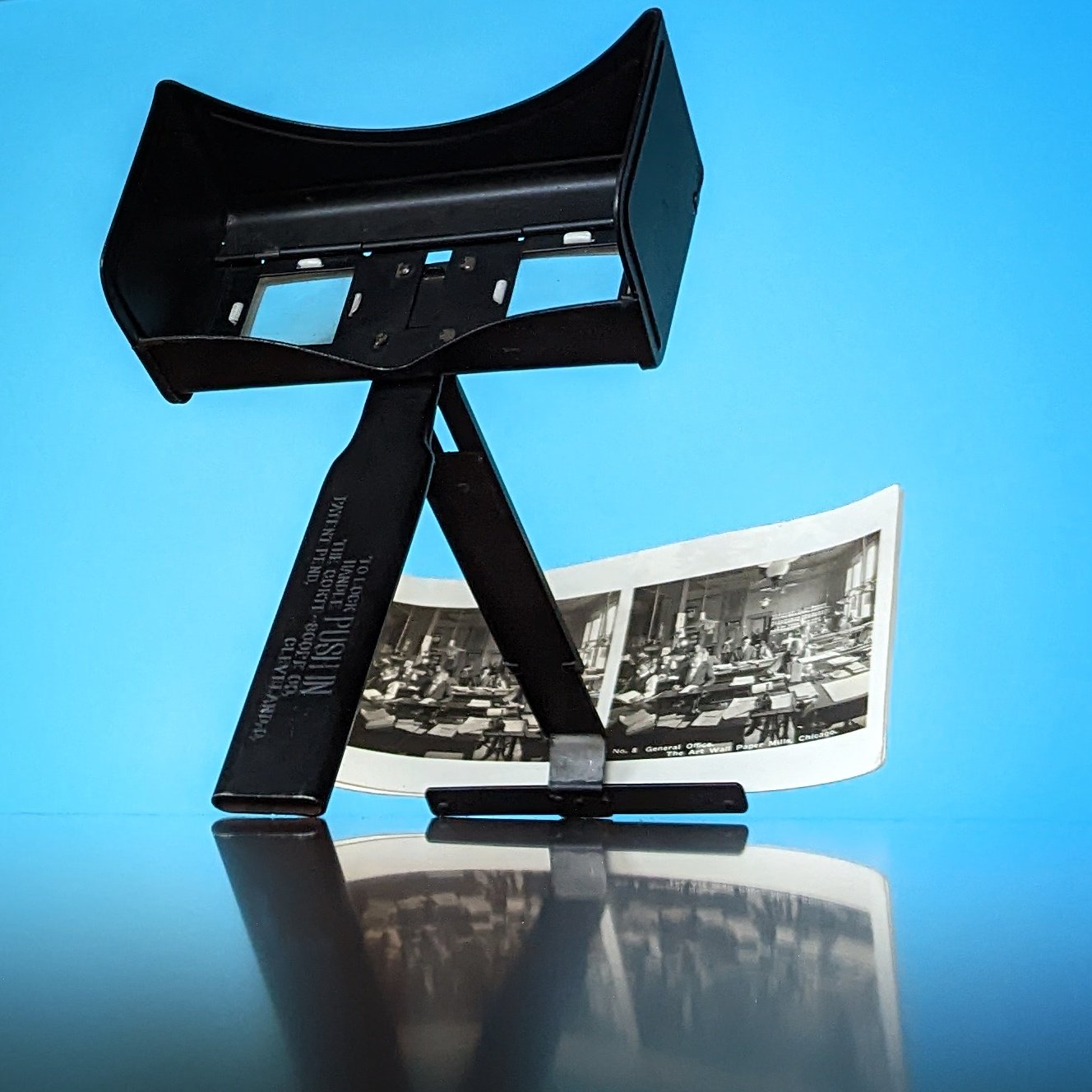
Corte-Scope

Eureka Tea

Neue Photographische

Pendoplast
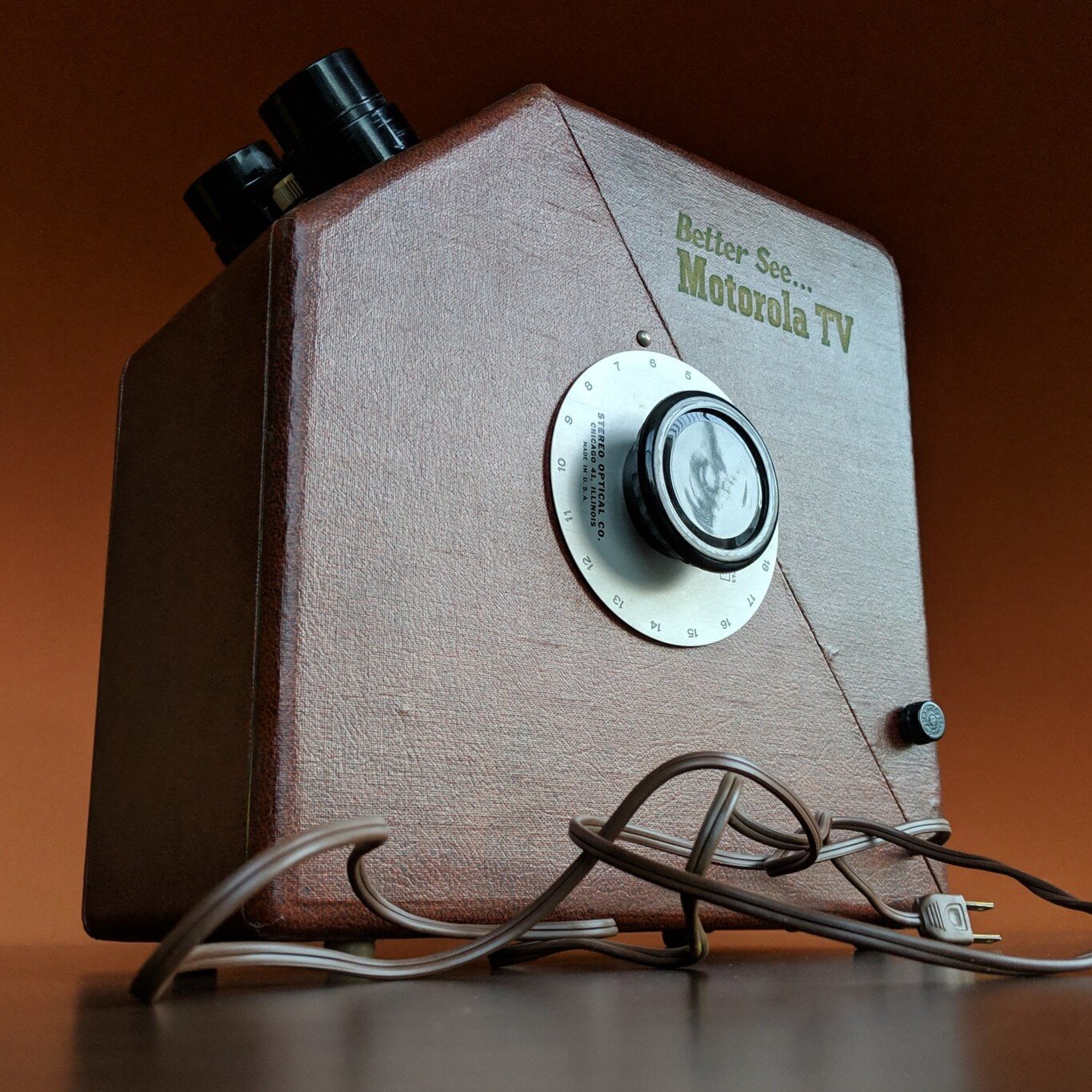
Rotoreal
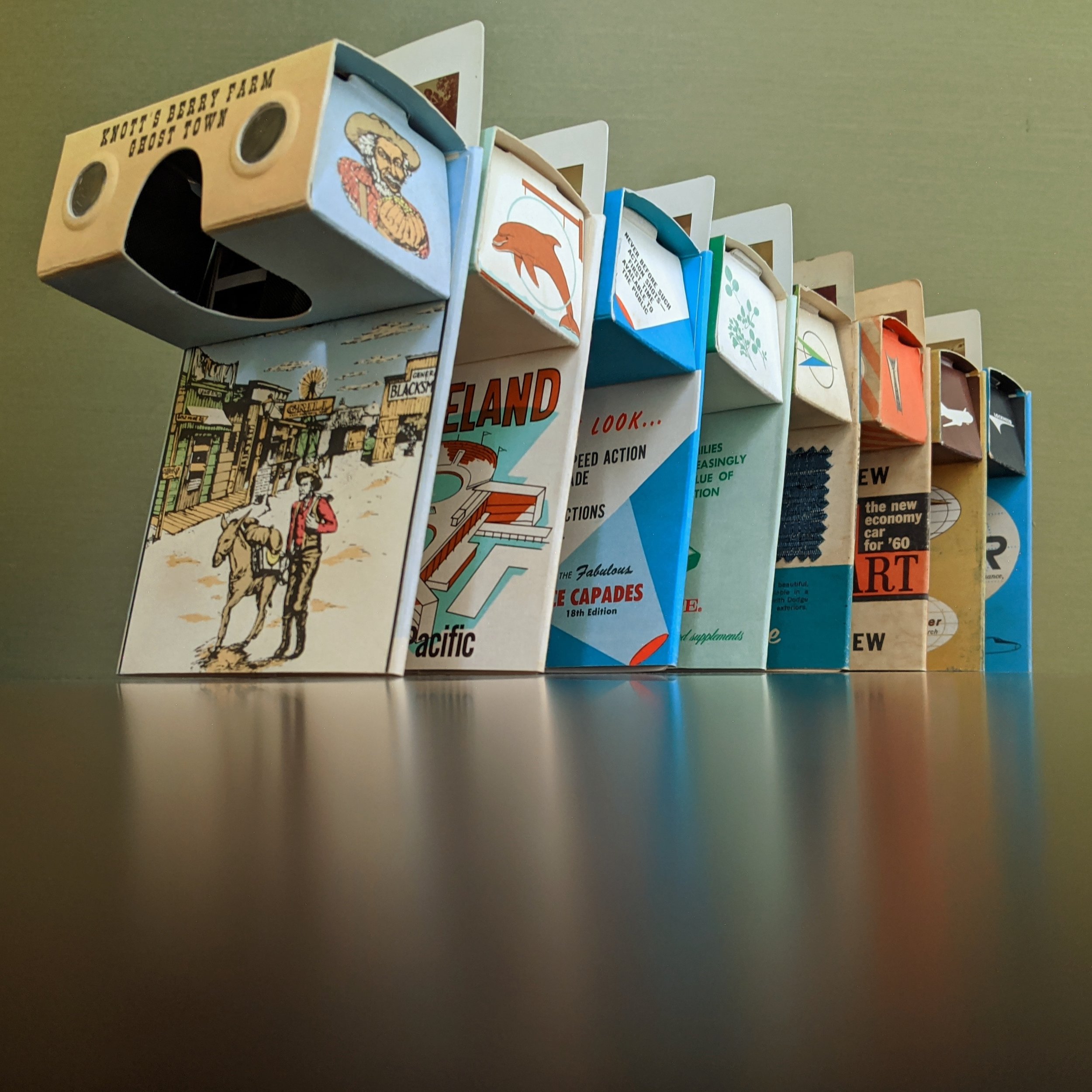
Stere-o-card
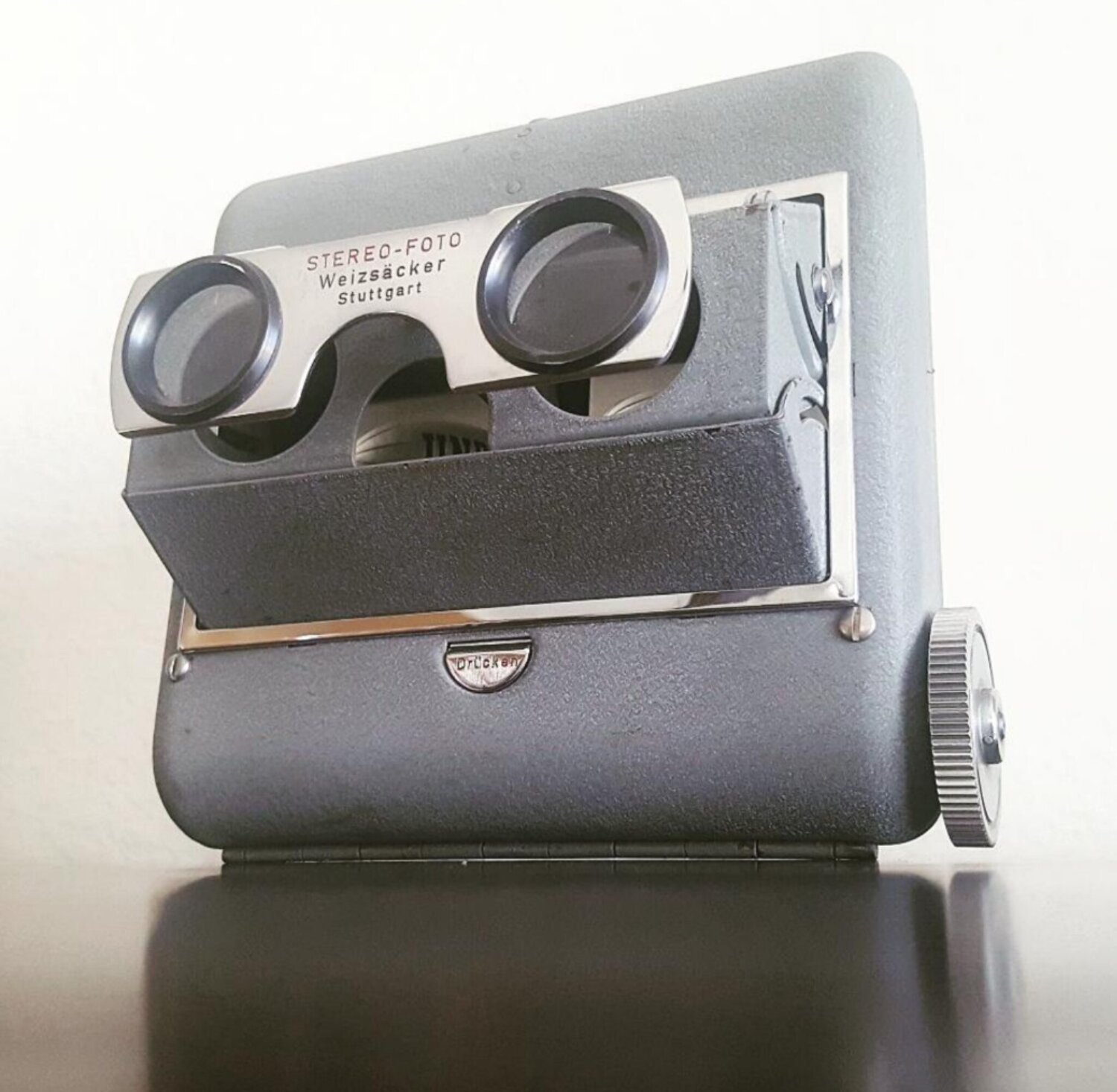
Stereo-foto

Taylor Merchant
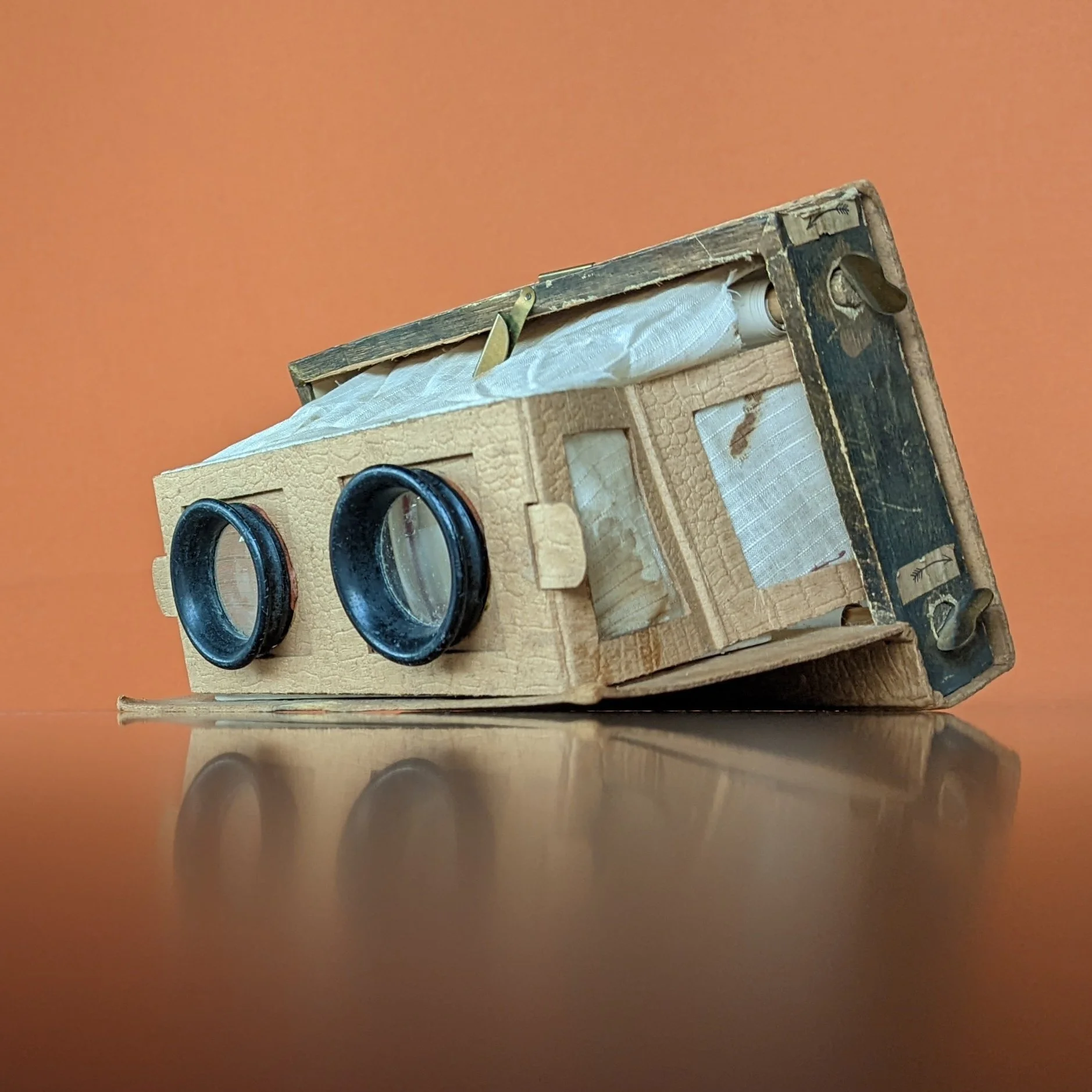
De Dion Bouton

Multi-Vue (Chevrolet)
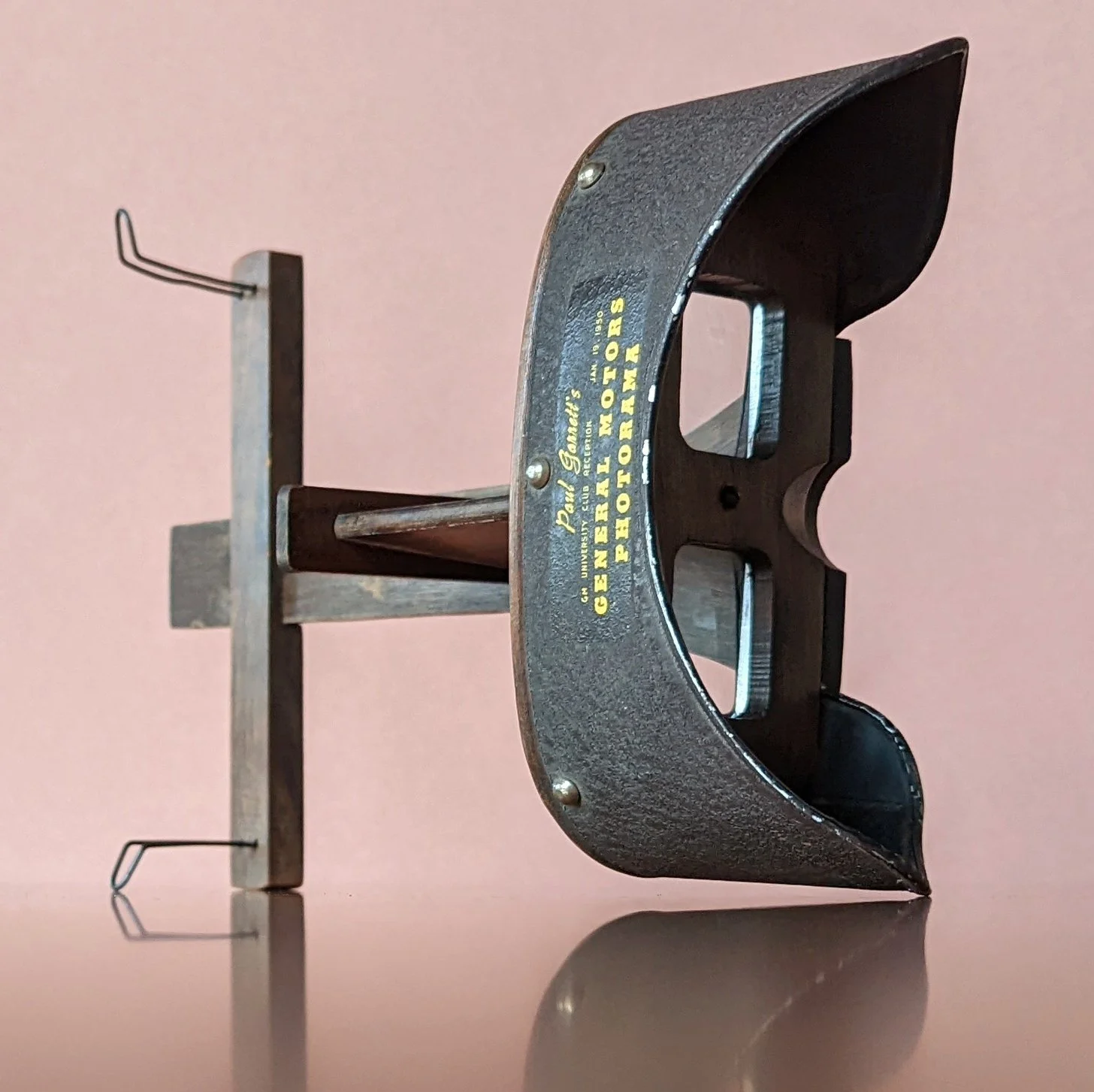
Photorama (GM)
Education 3D Viewers
Most 3D content can be considered educational to some extent. This section specifically calls out vintage viewers that were used in schools (e.g., Educa, Vivascope), were designed for medical study & use (e.g., Ritter Dental) or its media has more descriptive text — not just show & tell images with titles.
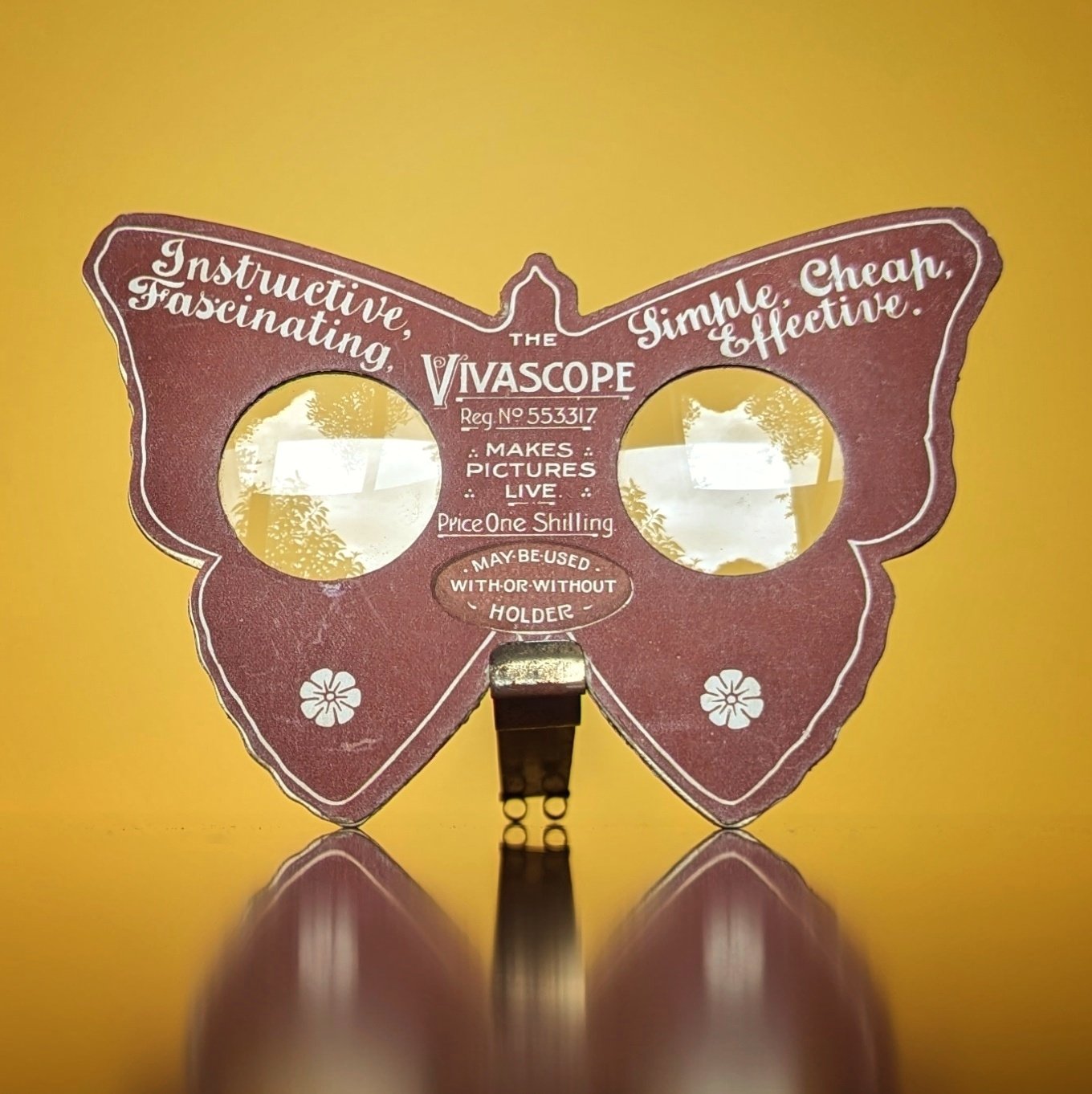
Vivascope
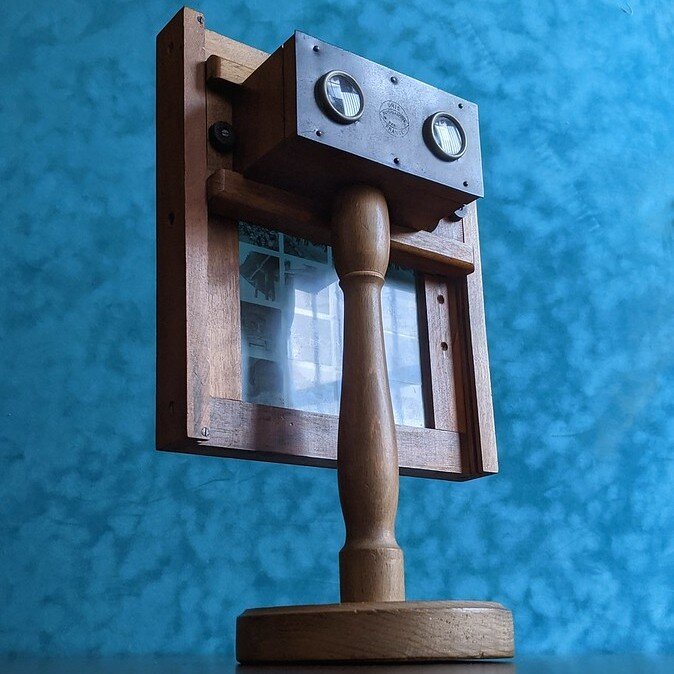
Alternascope
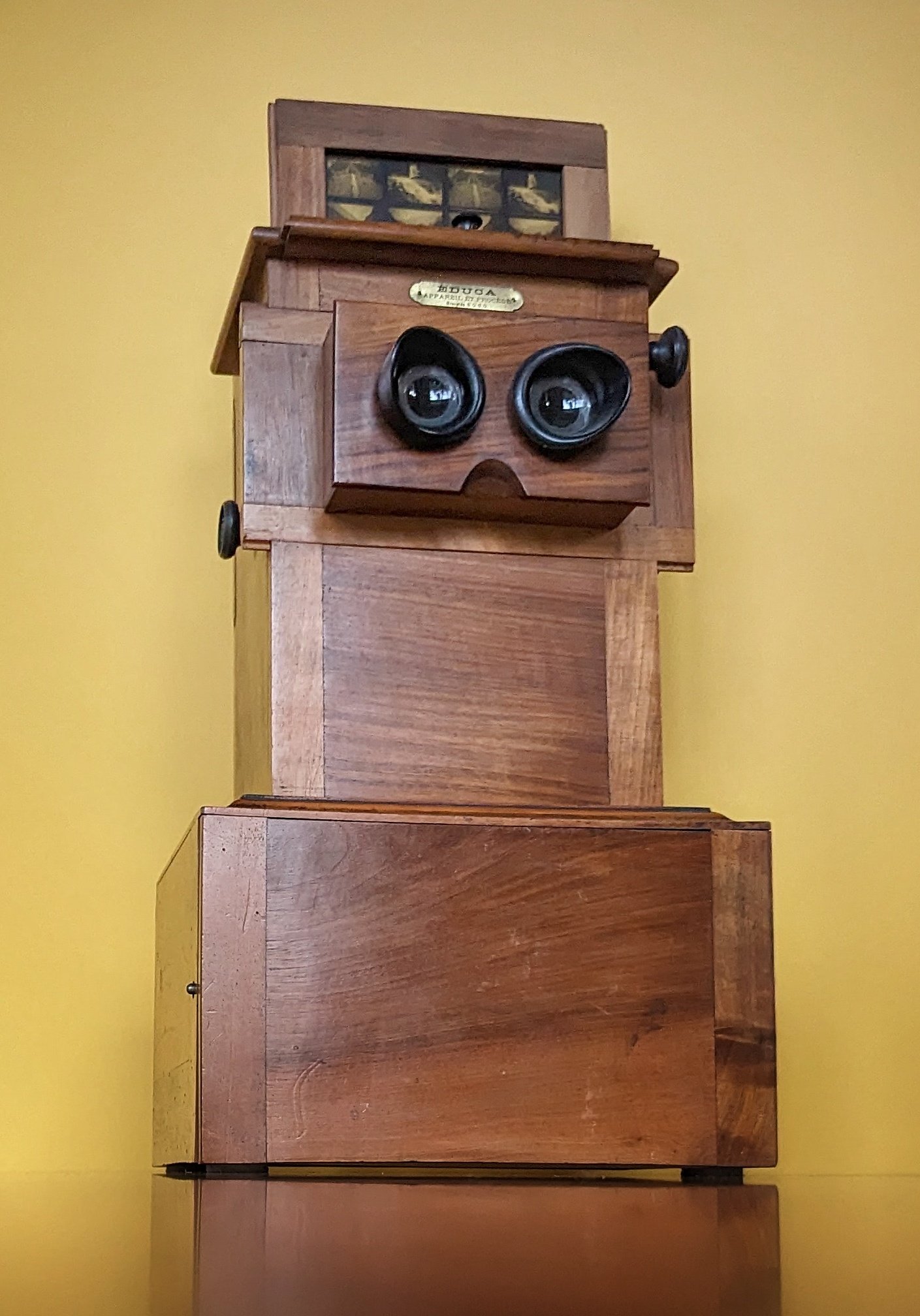
Educa
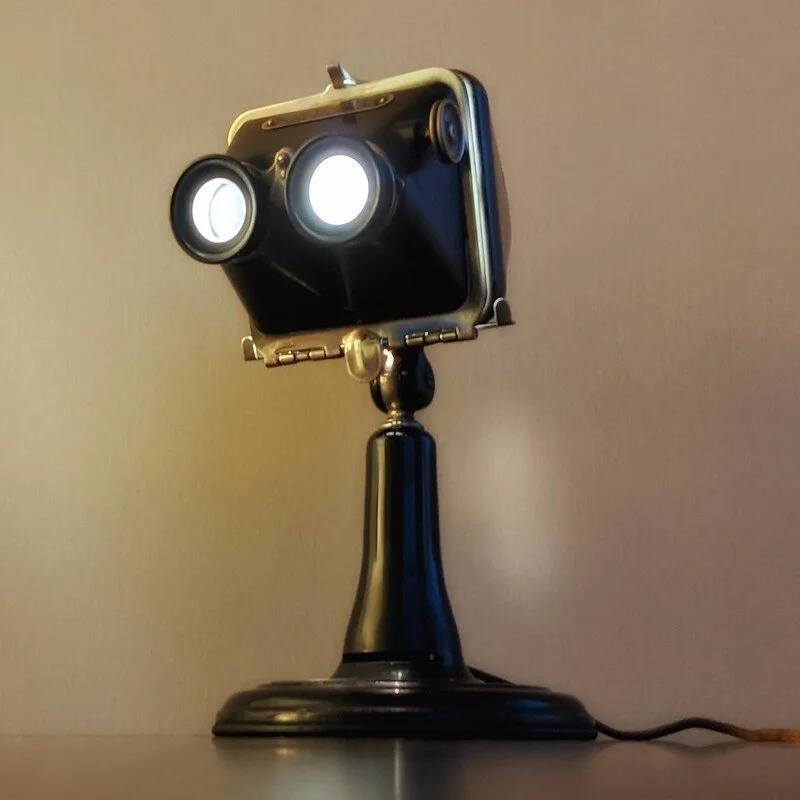
Ritter Dental
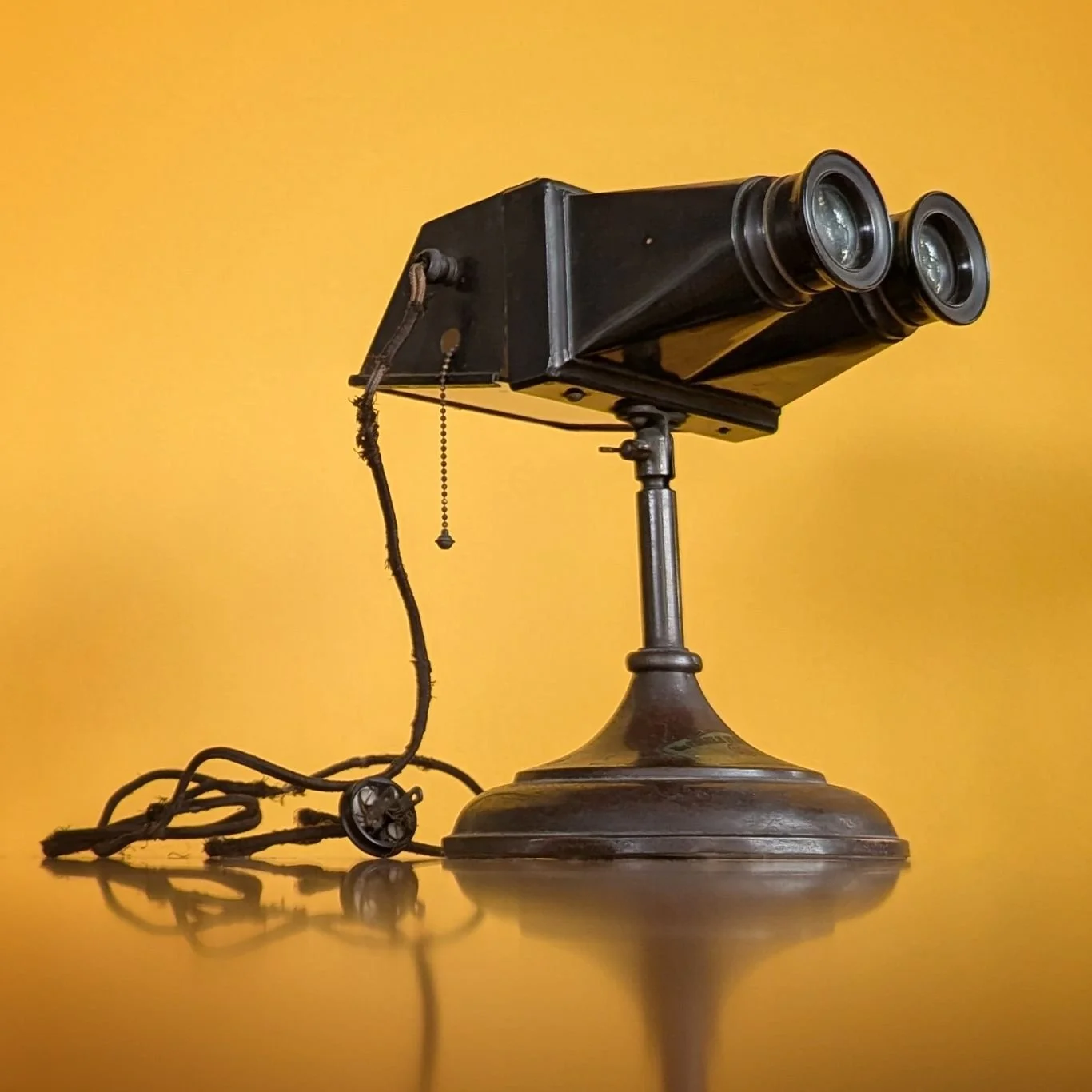
Engeln Electric
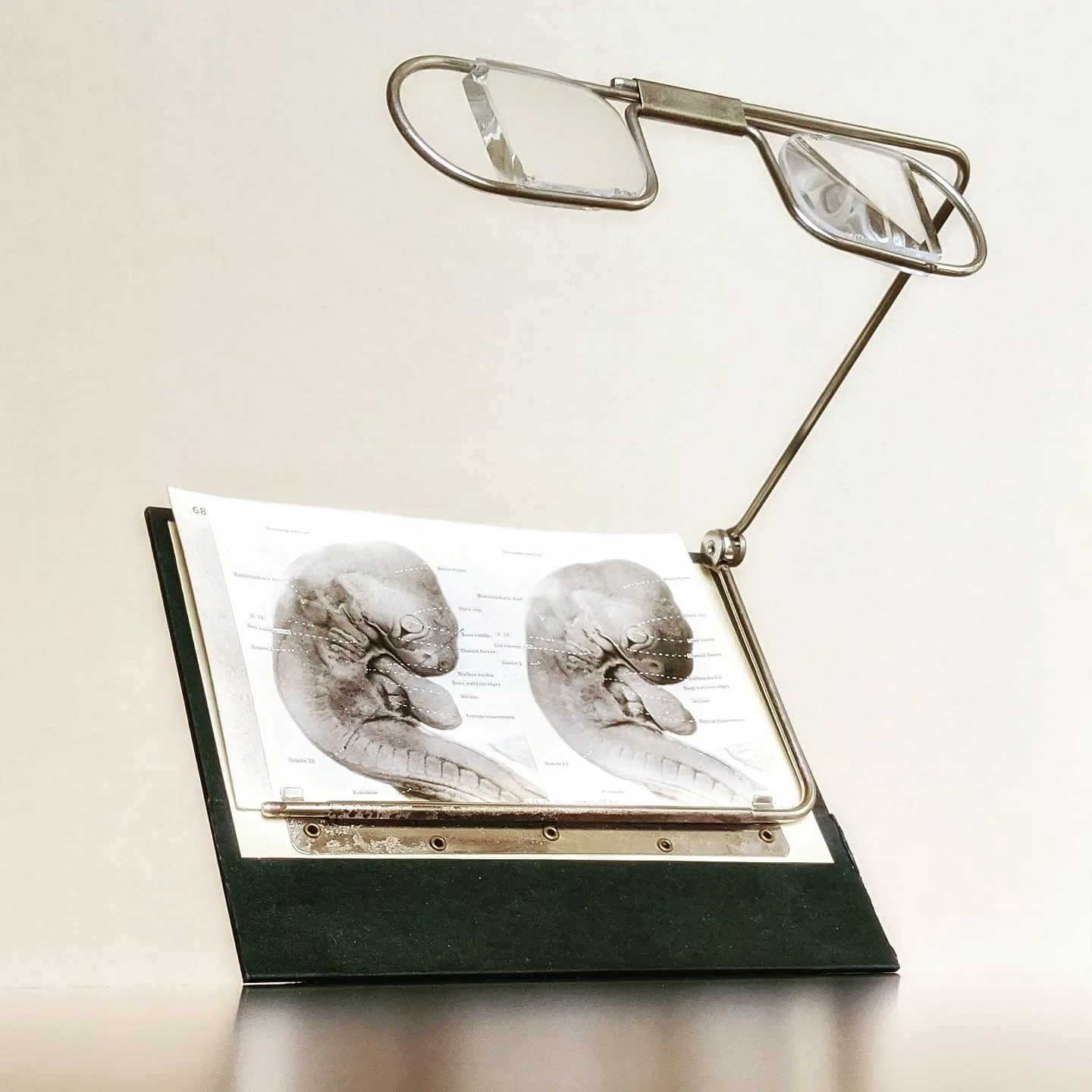
Stereoscopic Atlas of the Chick
Sandoz
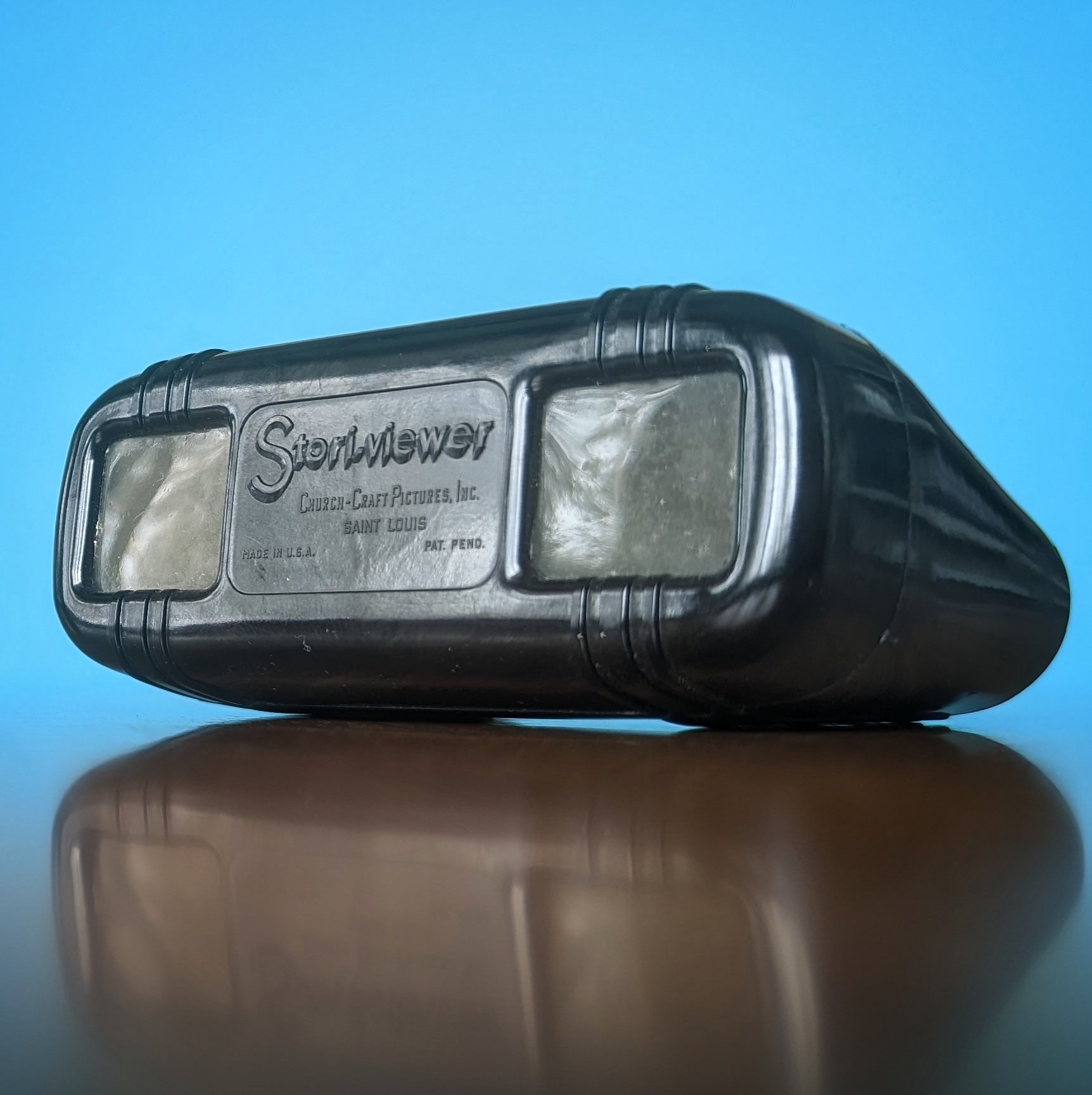
Stori-Viewer

Lipton Tea

Vistascreen
3DIQ
Erotica 3D Viewers
There’s definitely no shortage of vintage 3D images of nude and partially-nude women for all kinds of 3D viewers. However, we haven’t come across many vintage stereoscopes that were specifically designed and packaged for the purpose of erotica — probably because it’s a subject matter that was already meant to be kept on the down-low and out of sight. Here’s what’s in our collection.

Beauteeze
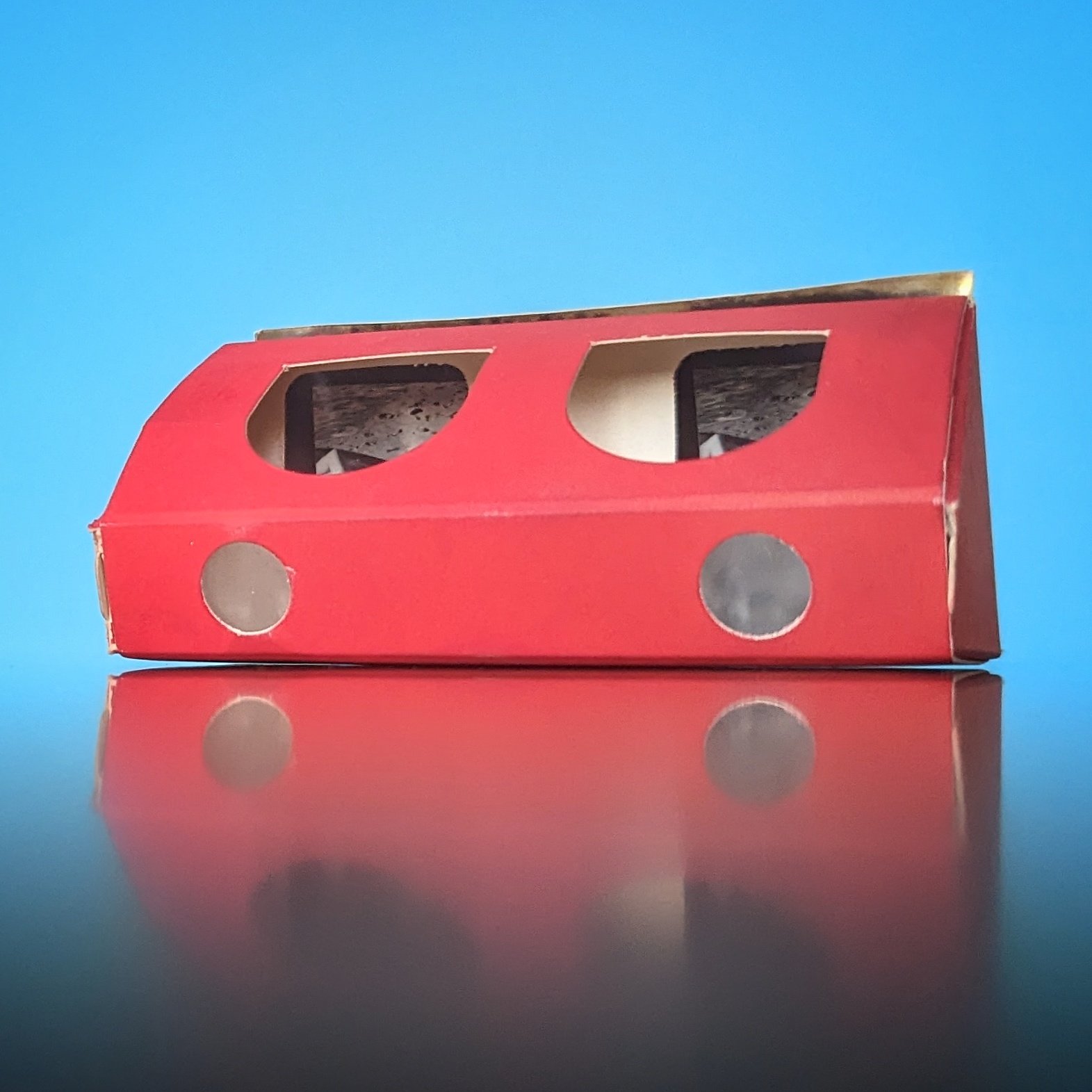
Hollywood ReaLife
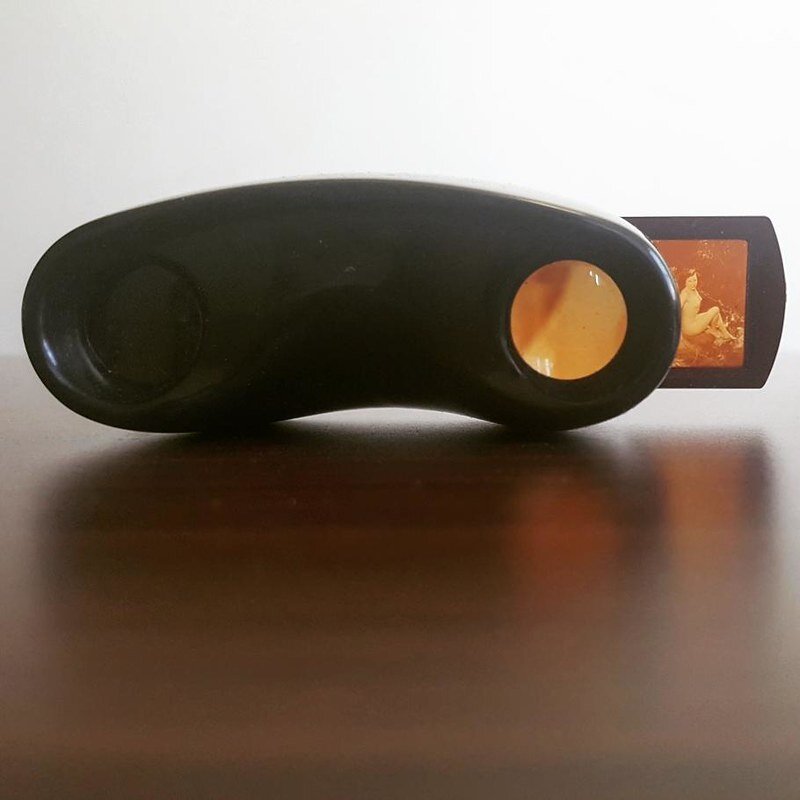
Modelscope
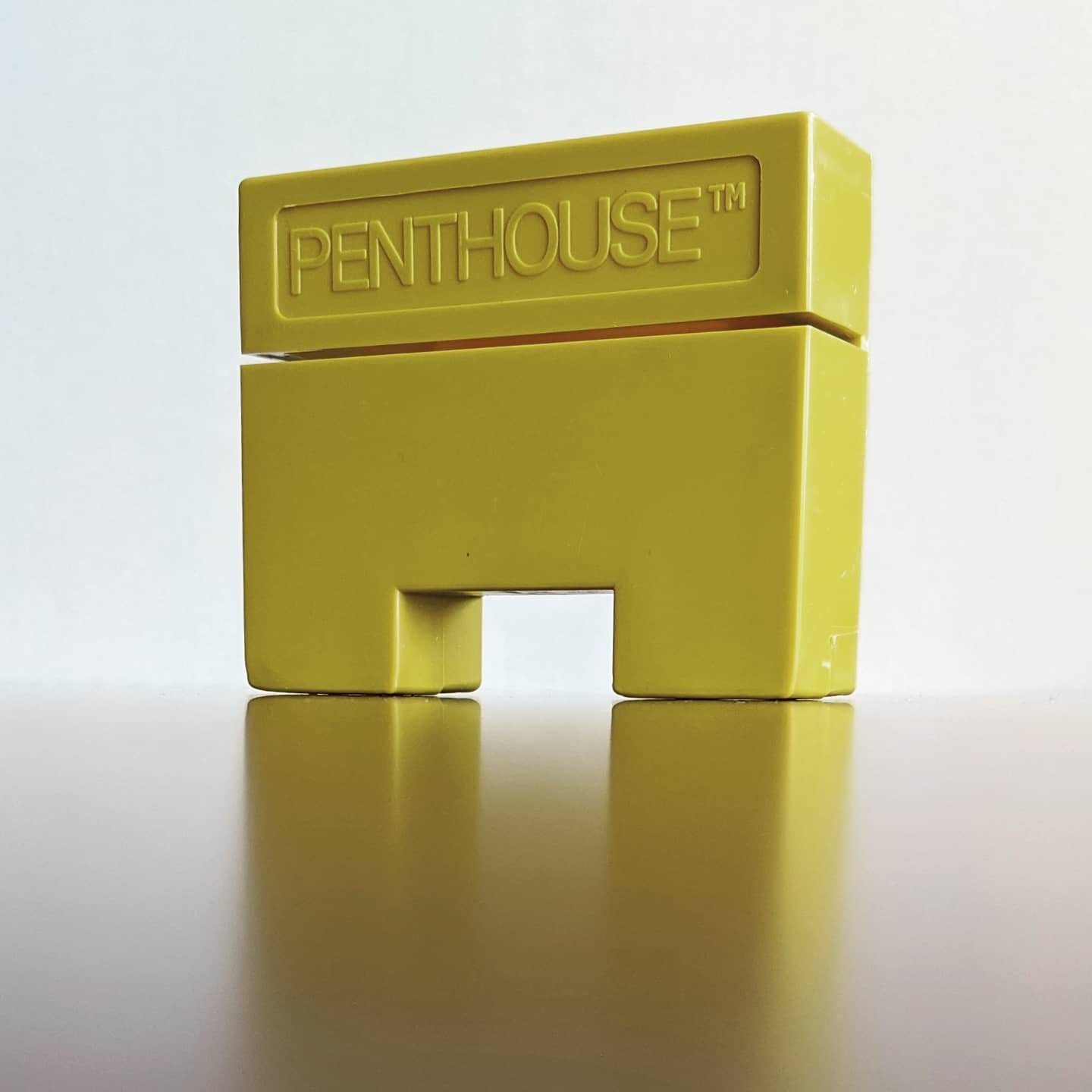
Penthouse

Tru-to-Life

Vista Scope
Exposition / World’s Fairs
Some 3D viewers, like Tru-Vue and View-Master, had their big debut at World’s Fairs. That’s not surprising since innovation is a main attraction of World’s Fairs. Both of those viewers went on to live long lives after their World’s Fair debut and covered many other subjects. In this section, we try to highlight vintage viewers that were specially packaged and sold to cover a World’s Fair or International Exposition.

Bioglyphes | Paris Colonial Exhibition

Mignoscope | 1929 Barcelona International Exposition

Pan-Pet | Multiple Expos
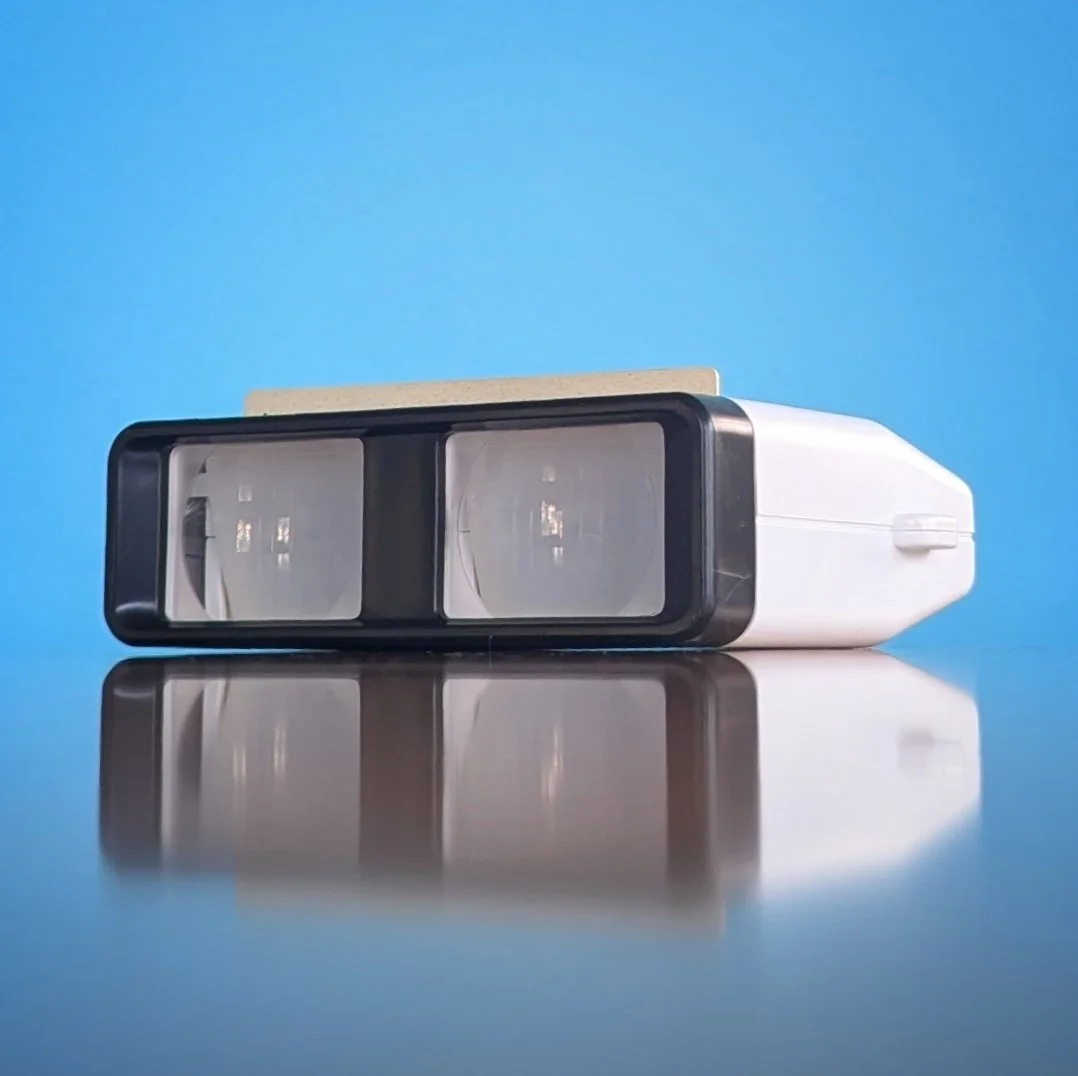
Capper | 1985 Tsukuba Expo
Movie / TV 3D Viewers
It’s always exciting (and collectible!) to find actors in 3D — we seem them captured in a variety of formats: reels, cards, and filmstrips. What’s unique about these vintage stereoscopes is that were designed, packaged, and sold specifically to promote actors and their television and film pursuits.

Filmoscope

Stereo-film

TV Week
Postcard 3D Viewers
These stereoscopes were designed specifically for viewing stereo postcards — cards that could be sent through the mail with the added advantage of having a photo on it that could be viewed in 3D by the recipient, provided they owned the viewer.

Cartoscope
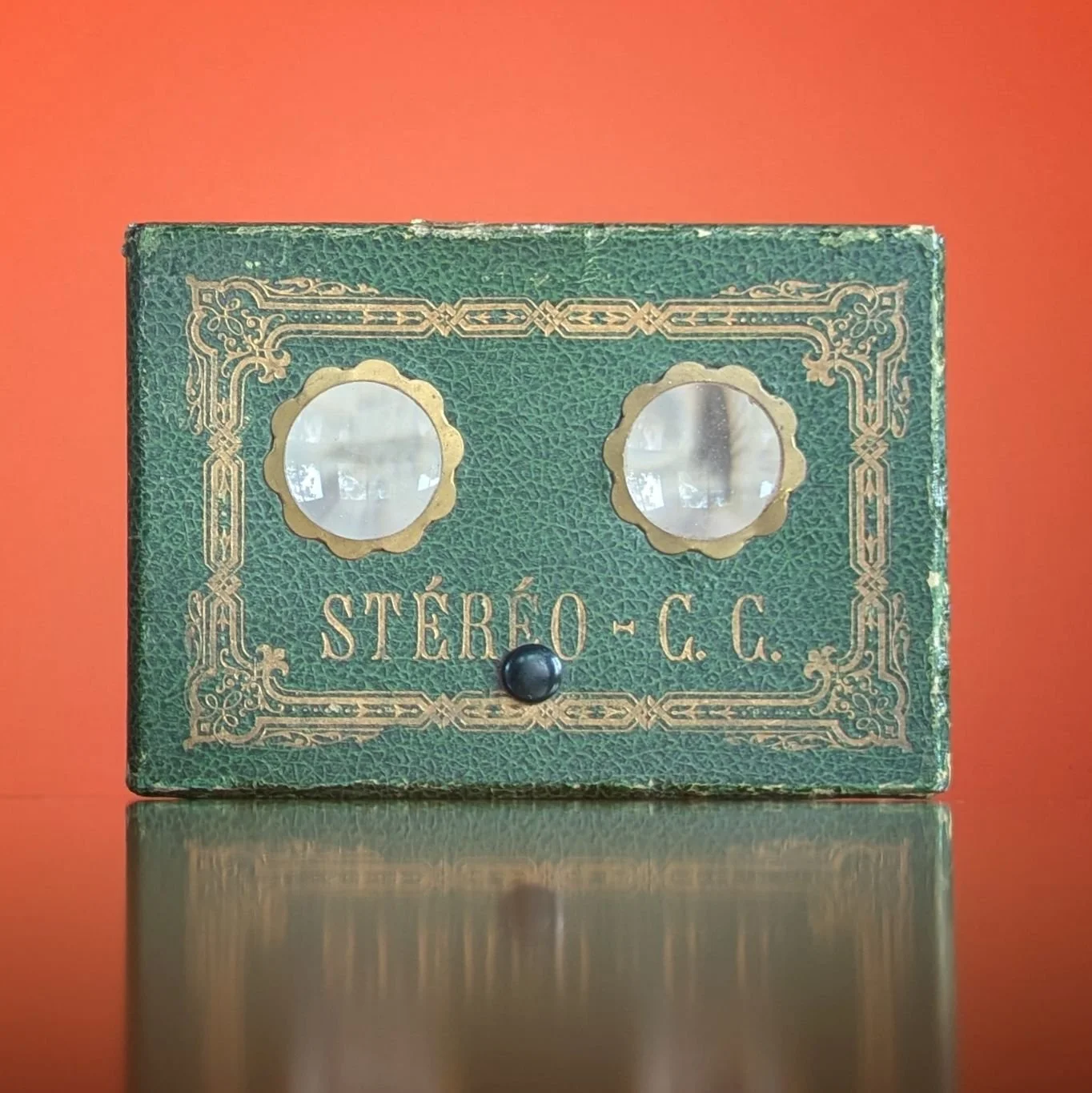
Stereo-C. C.

Radieux-Stereo

Stereo Bijoux

Stereo Carte

Stereo Le Touriste

Dexterama
Personal 3D Viewers
Many vintage viewers came packaged with stereoviews or were intended for the sole purpose of getting people to buy mass-produced stereoviews on all kinds of topics. When stereo cameras became more widely available and affordable, people began shooting and printing their own personal 3D images. This created a market for personal use stereo viewers. Some of them were included or sold separately as accessories to specific stereo cameras. Many of them were Realist format.

Alex

Arcadia

Armme

Arrow-view

Belcaskop
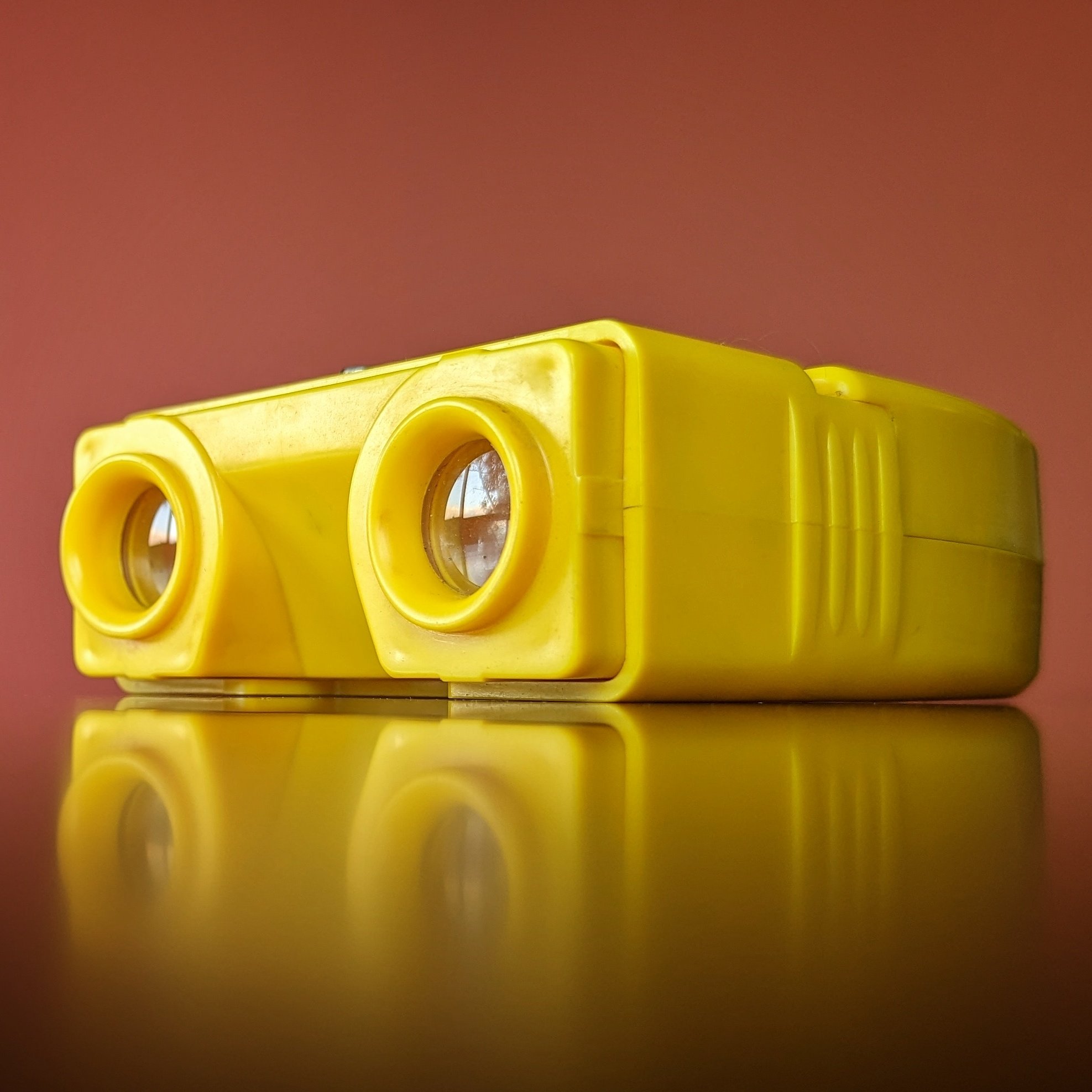
Brumberger

Busch
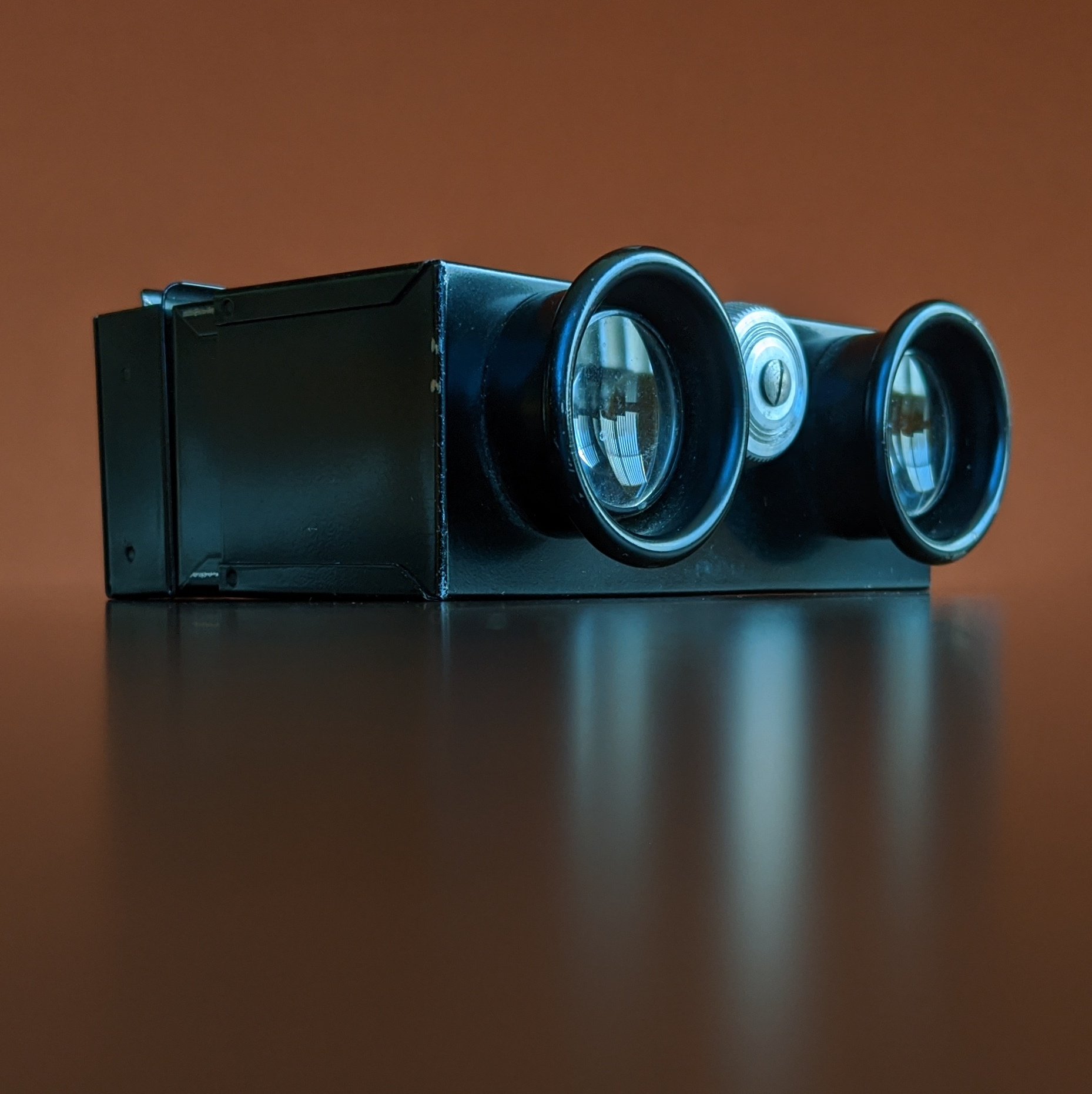
Colde
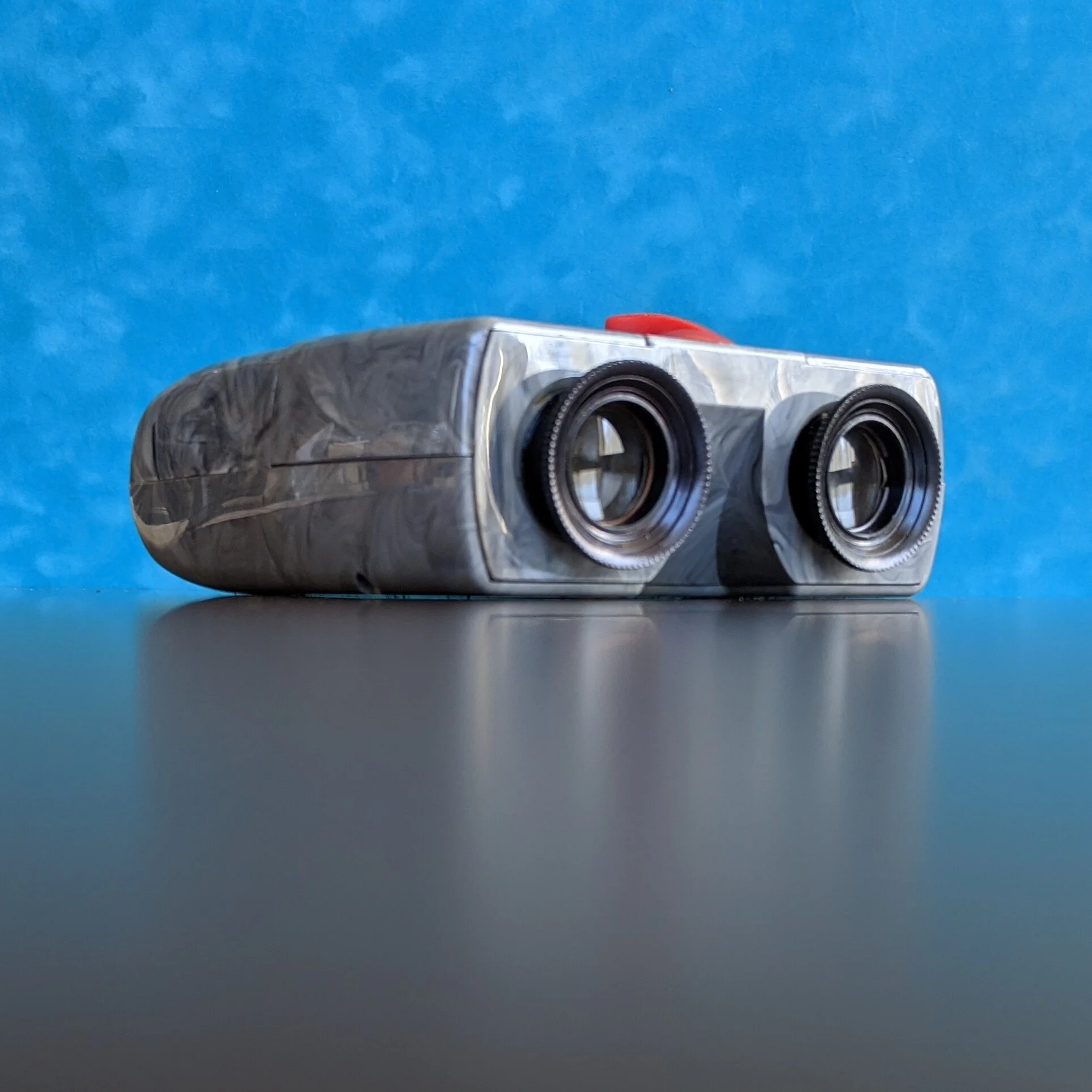
Colorama
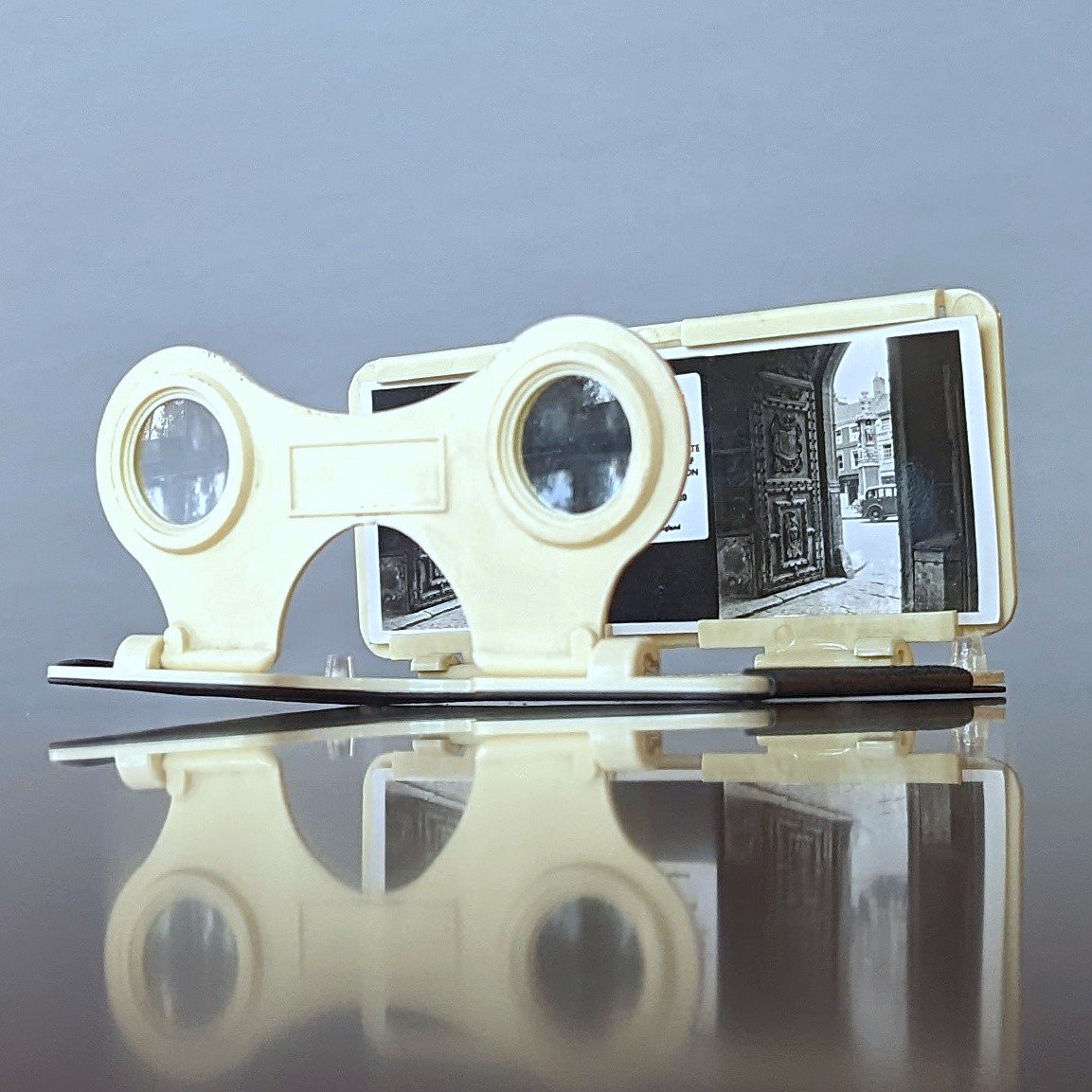
Coronet
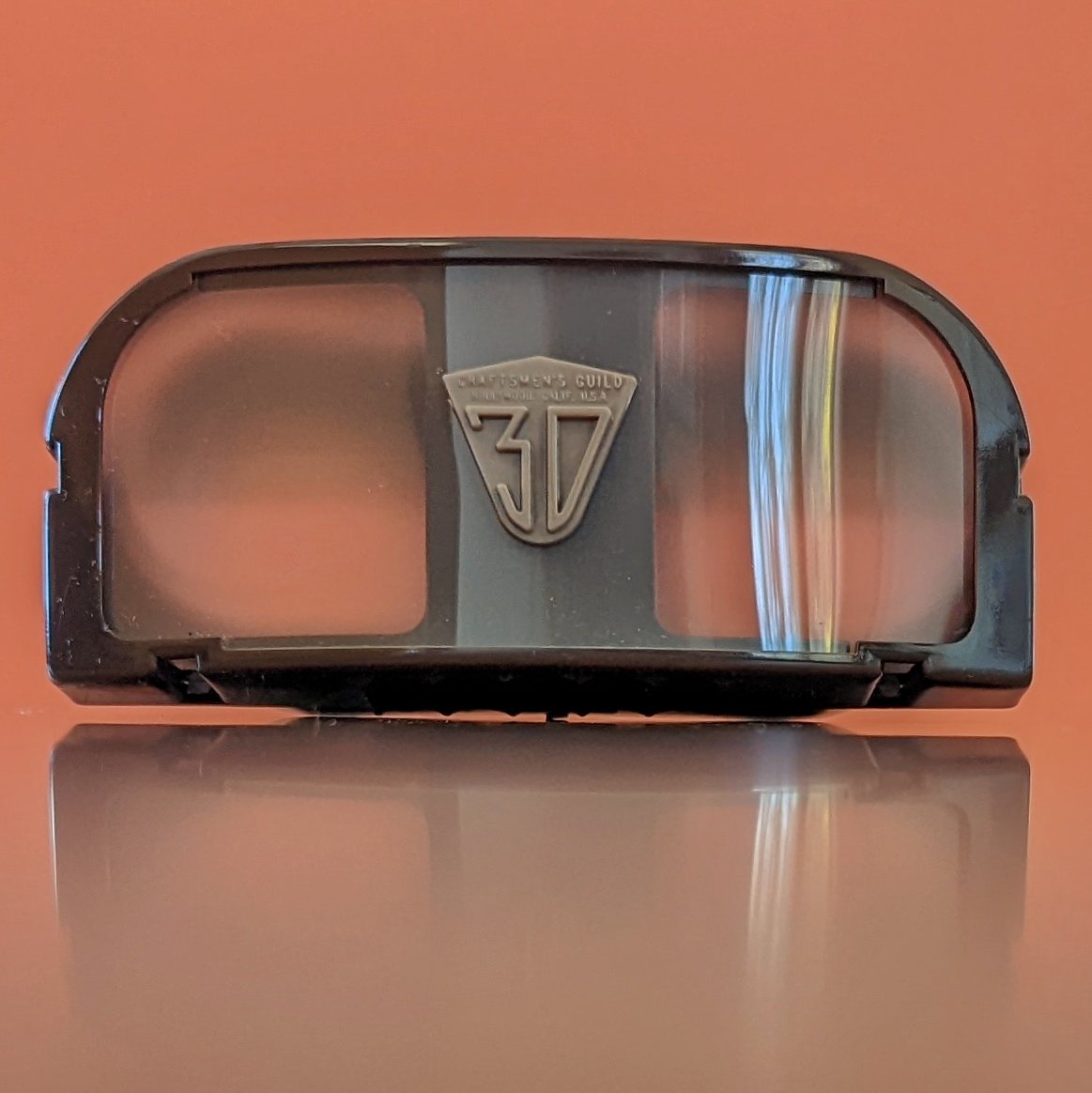
Craftsmen's Guild, Realist

Ctepeockon
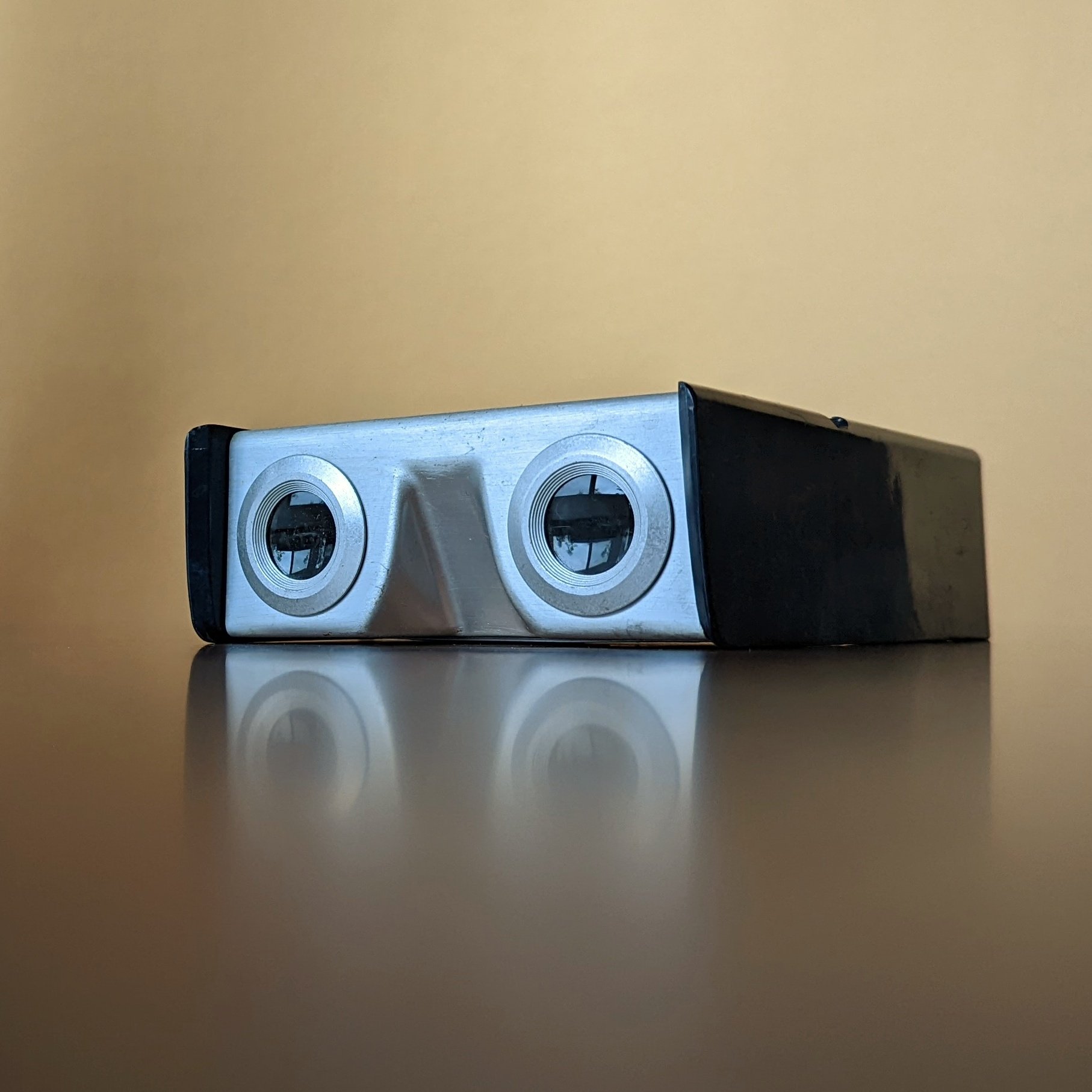
Delta

Douglas

GA Twenty

Haneel
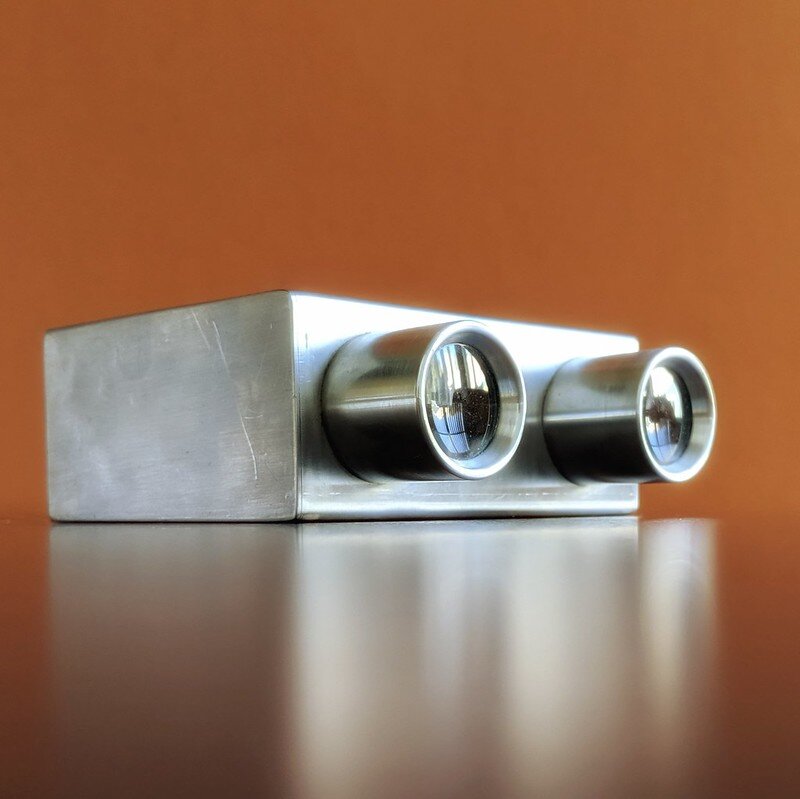
Hugo de Wijs
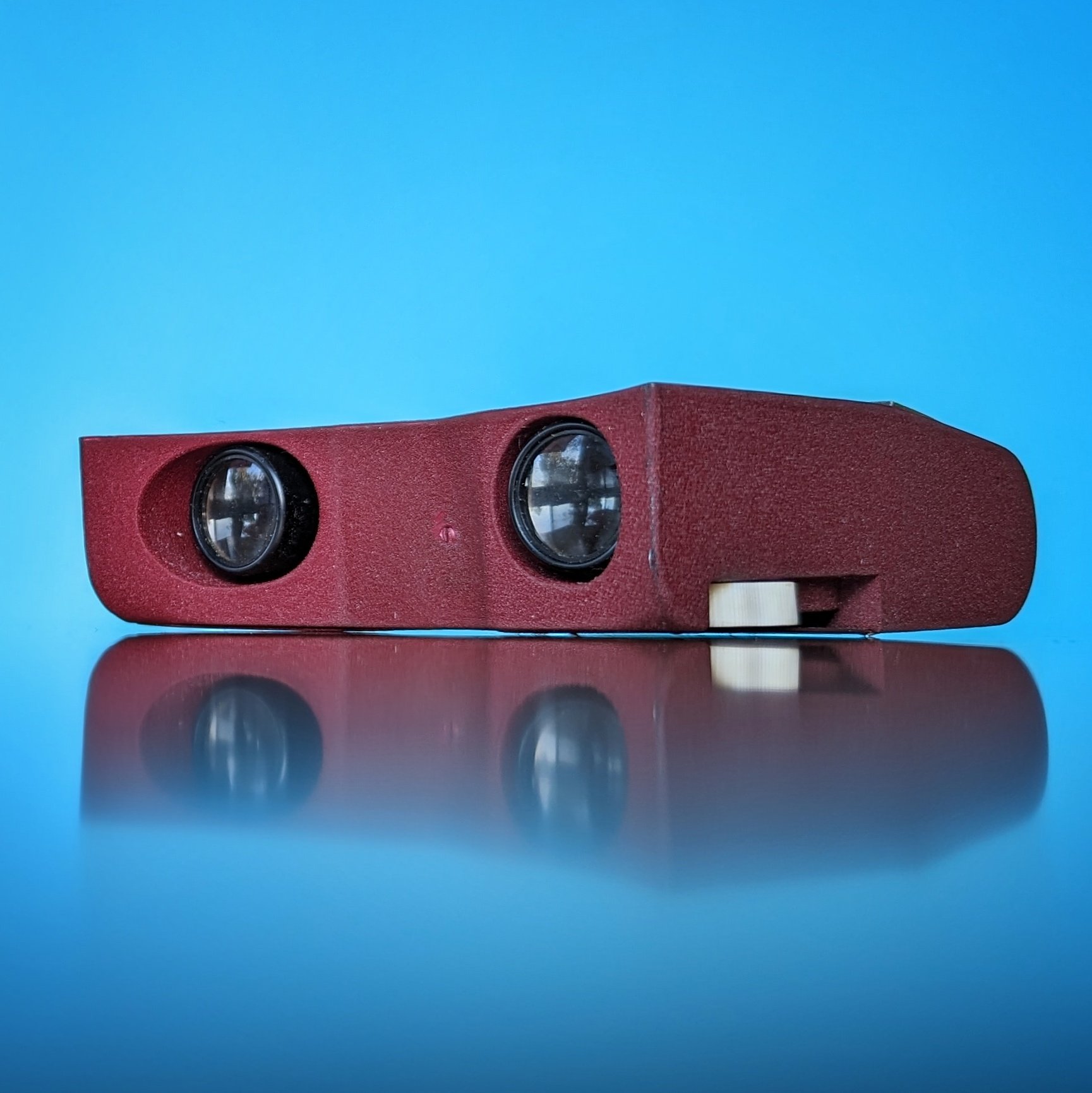
Iloca
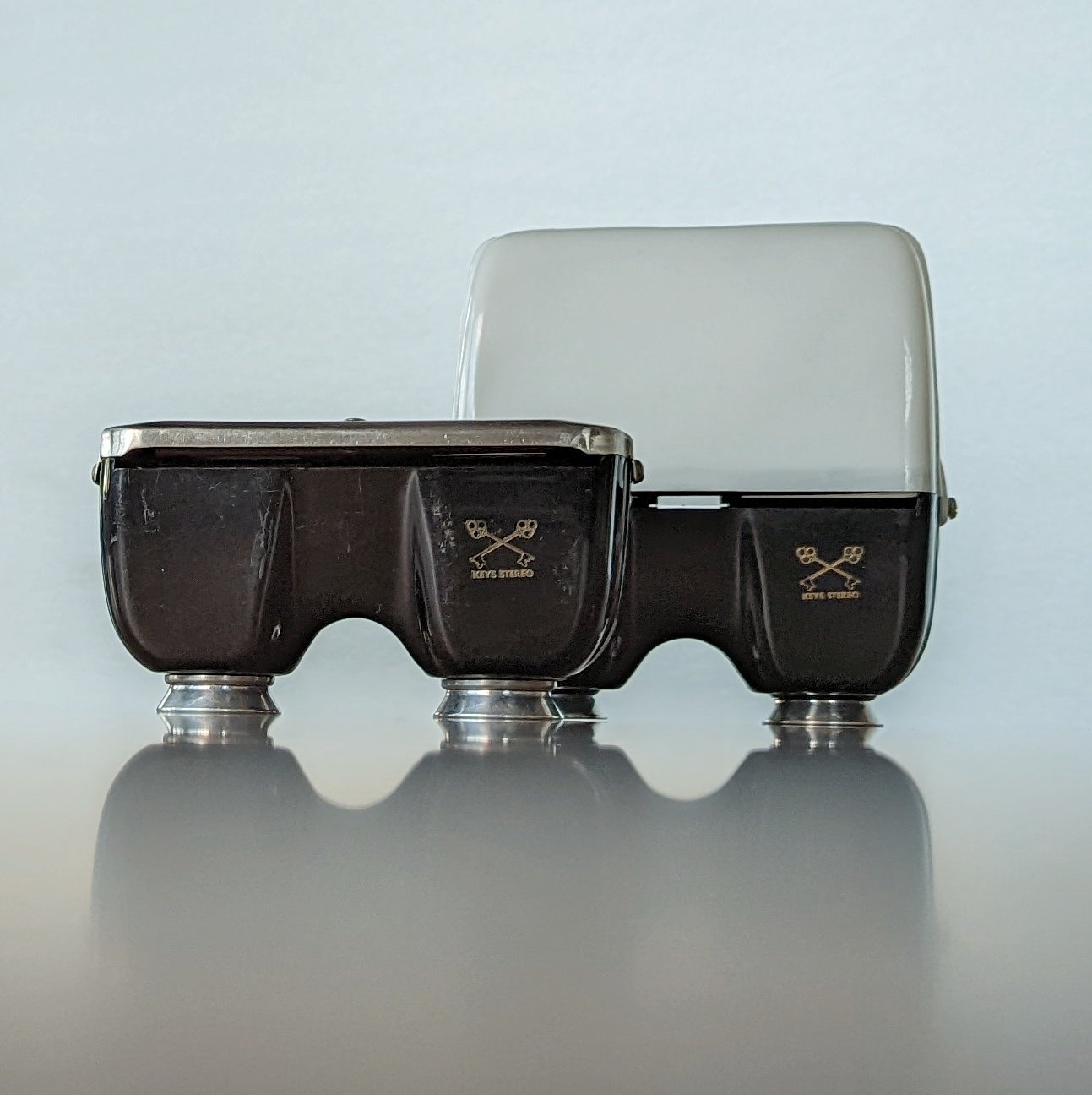
Keys
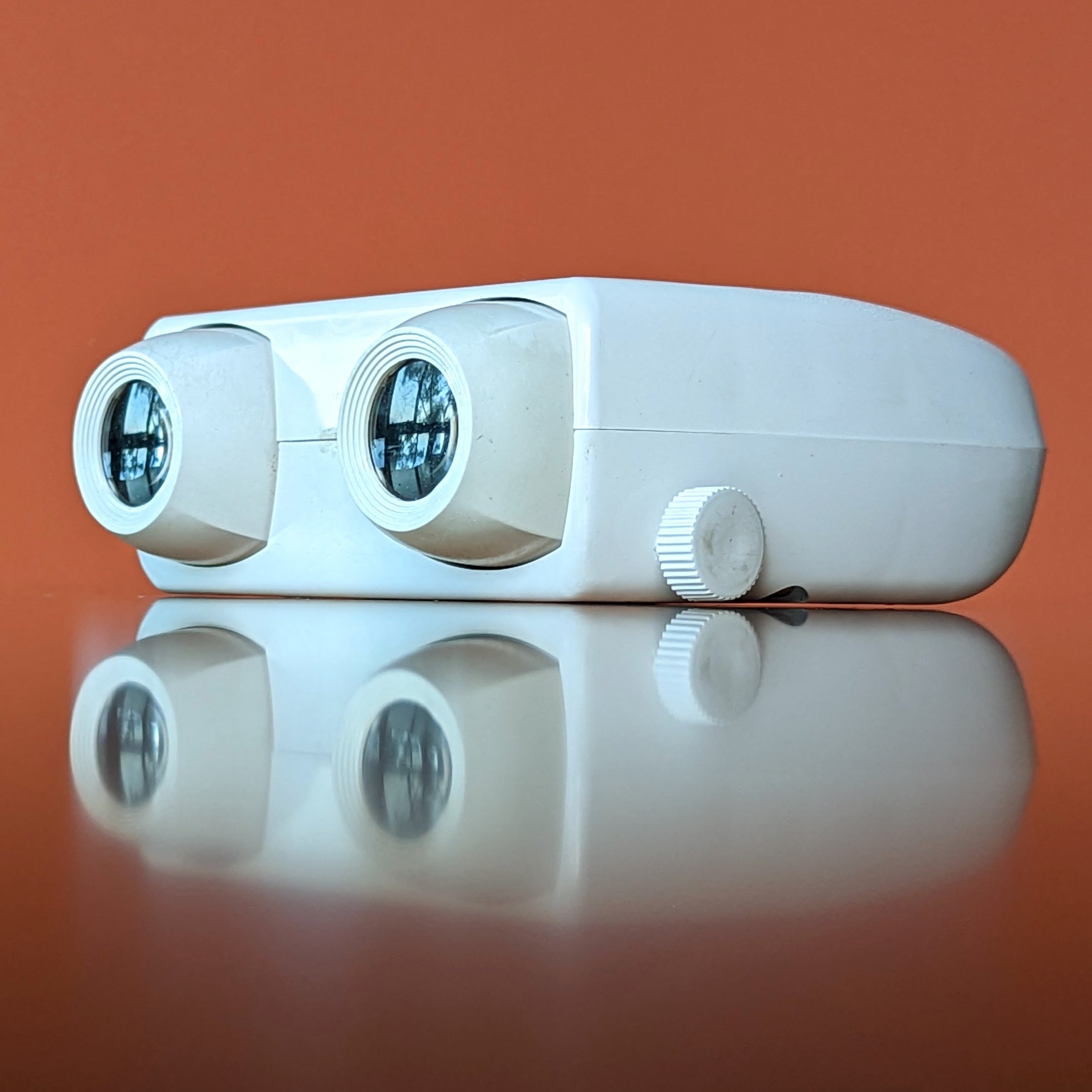
Like Life

Rada Standard
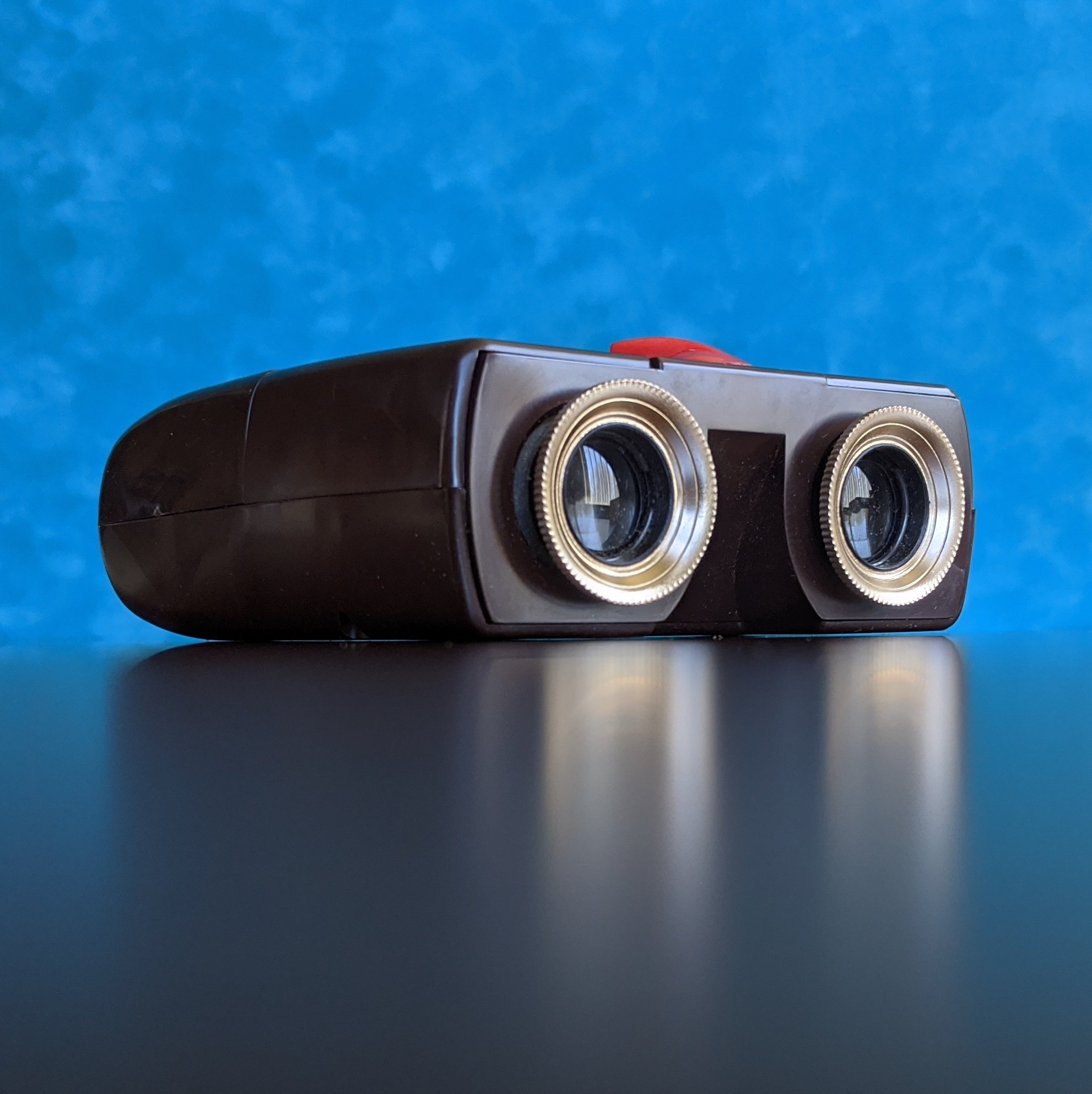
Shaffer

Stereo 50
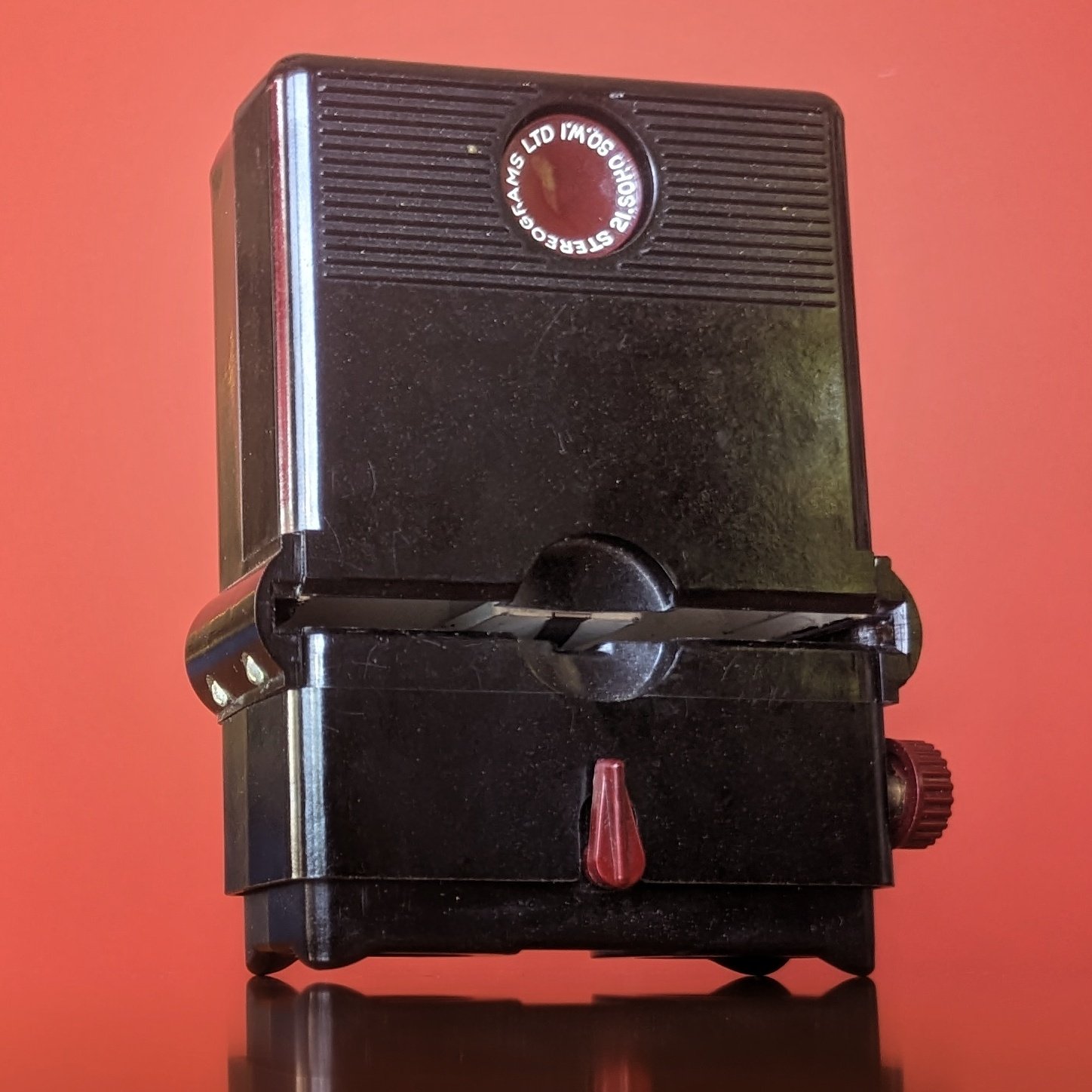
Stereograms
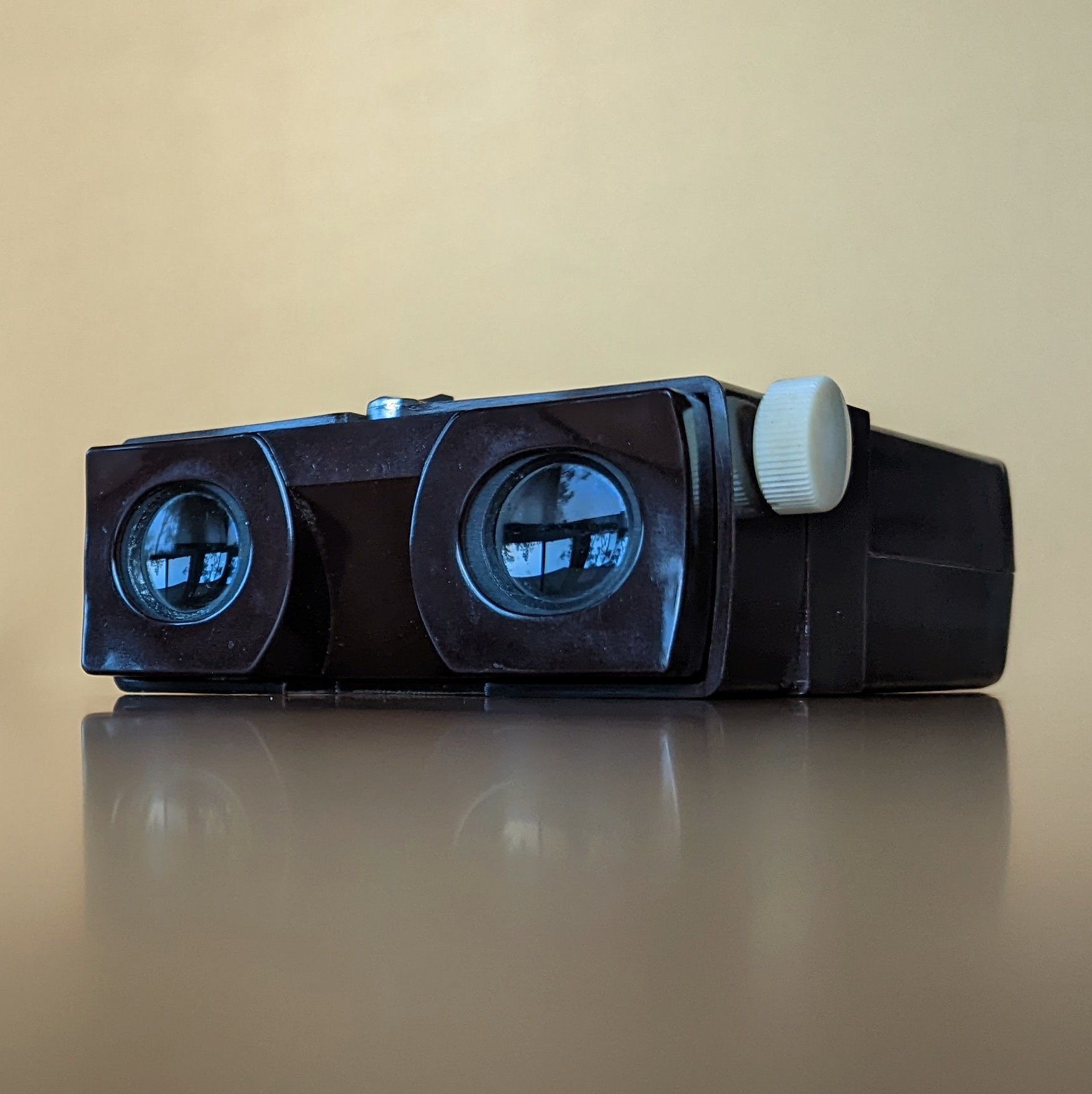
Stereo Realist
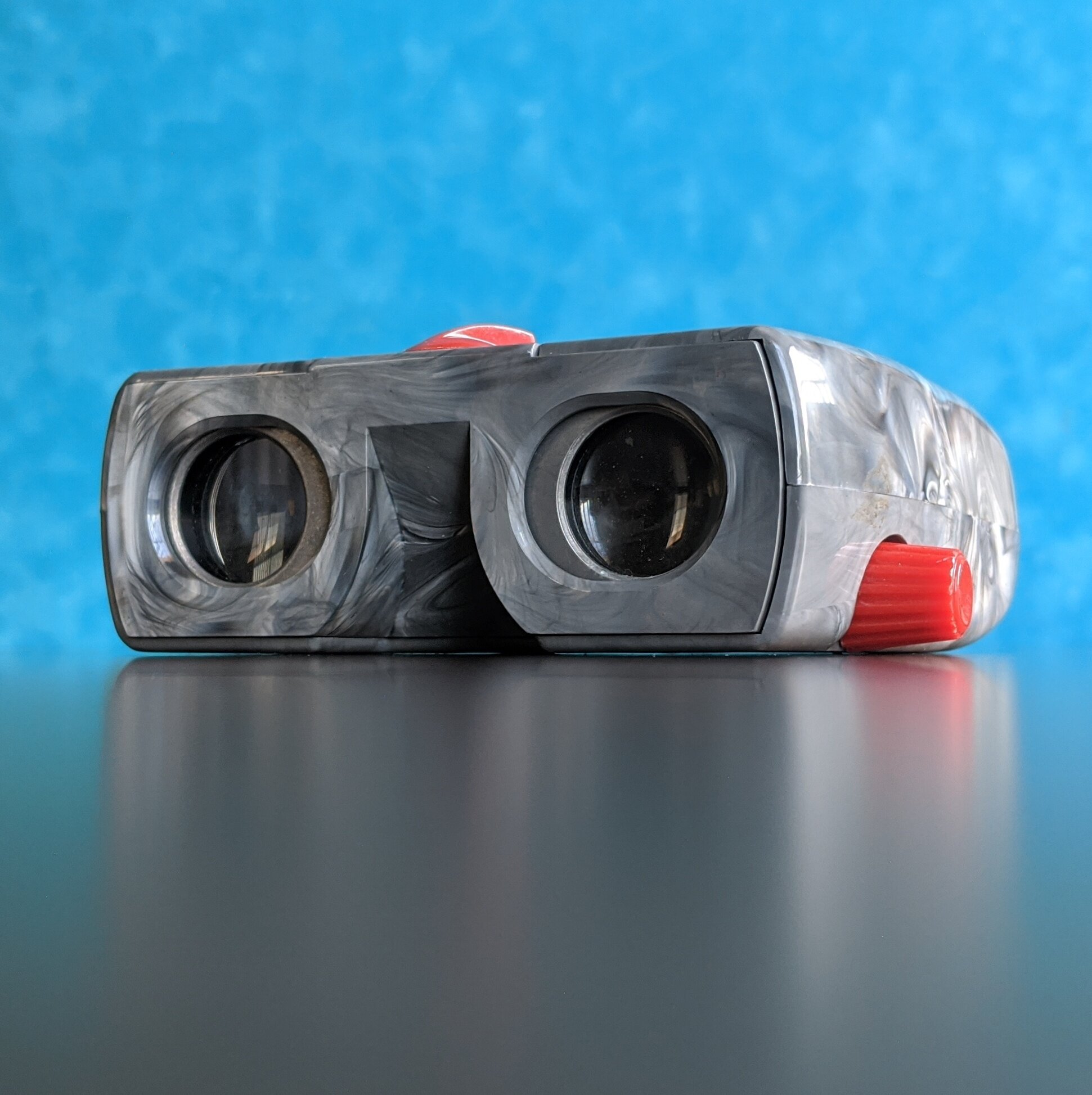
Sterling

Sterolist II
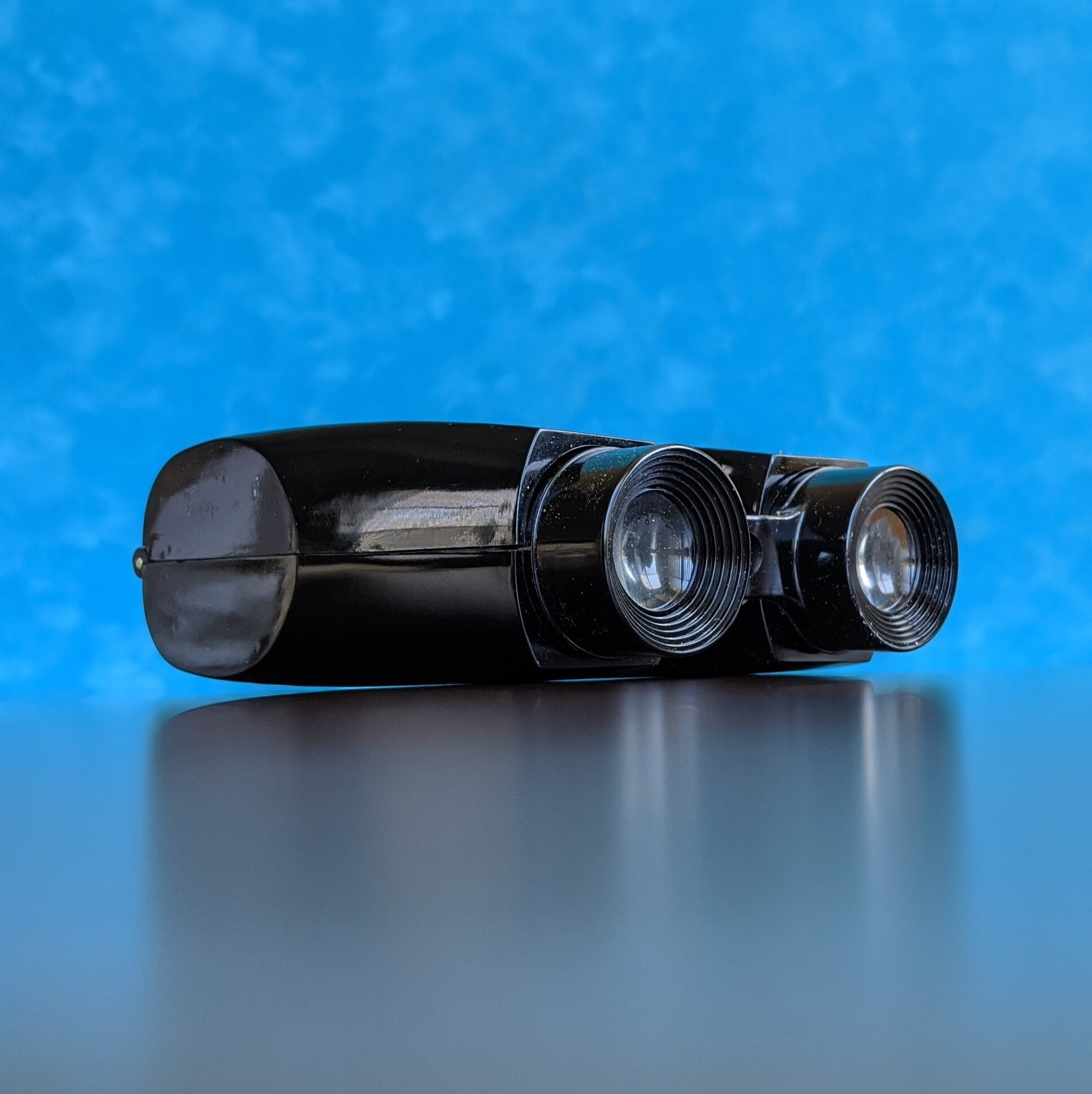
TDC
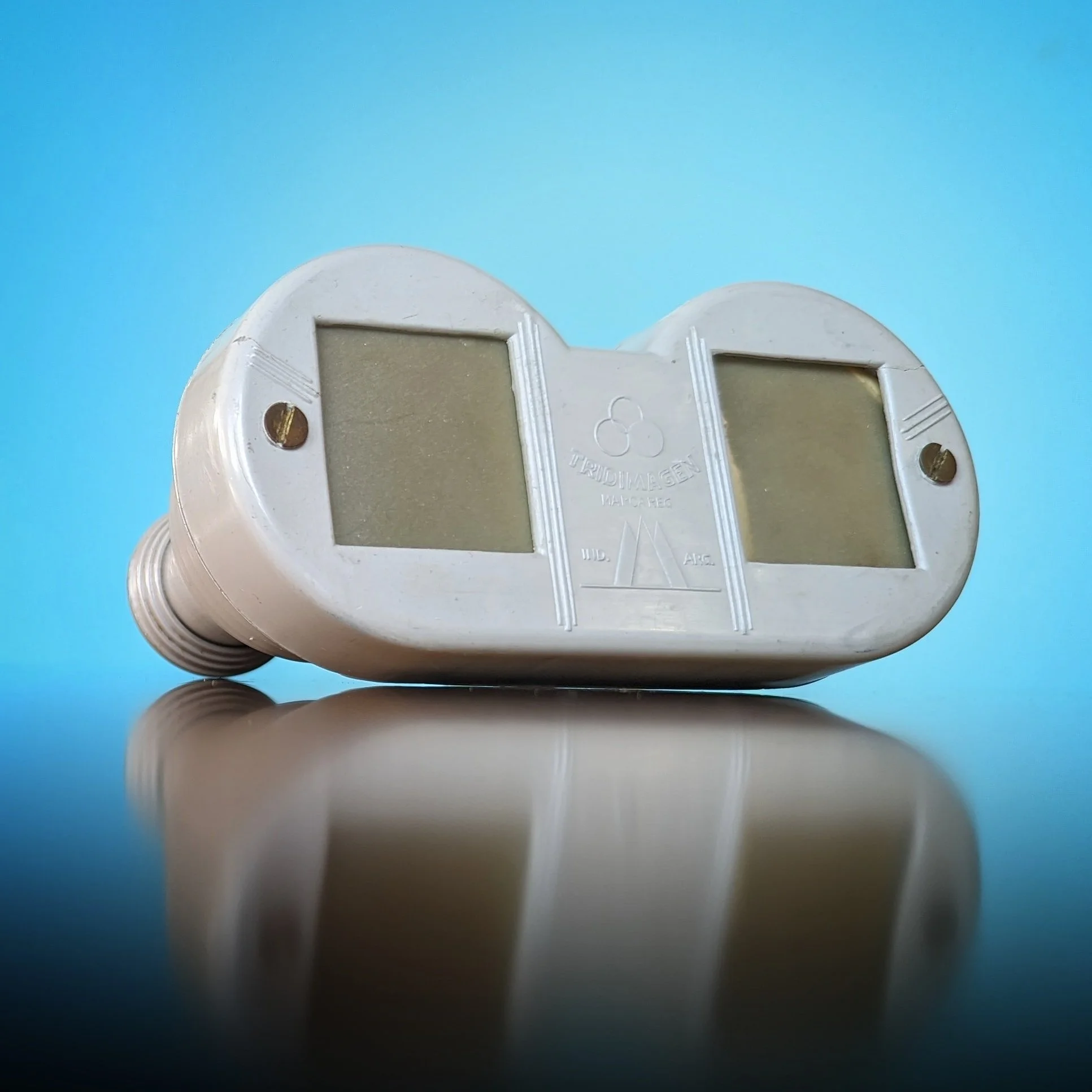
Tridimagen

Velbon
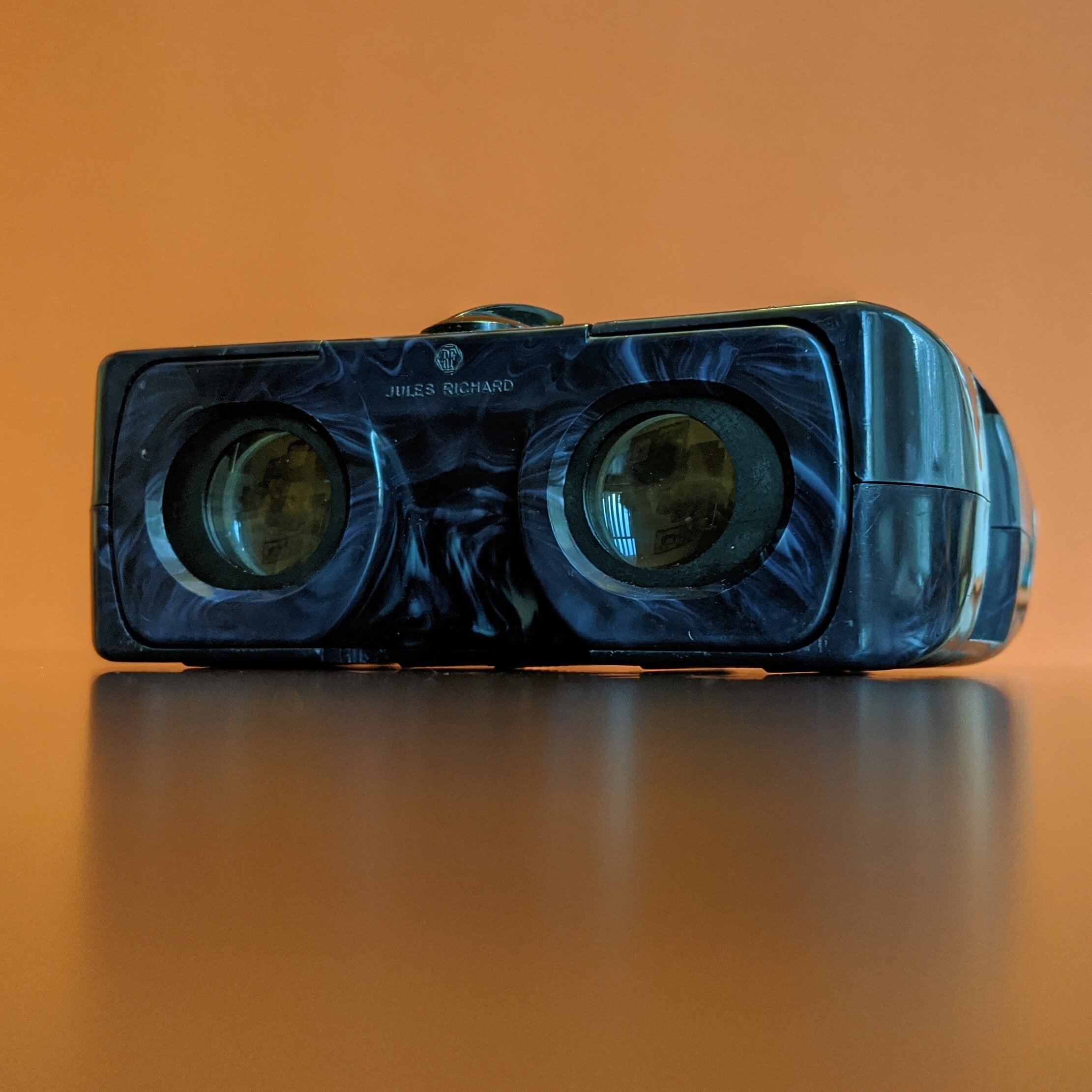
Verascope f40 Lumineux
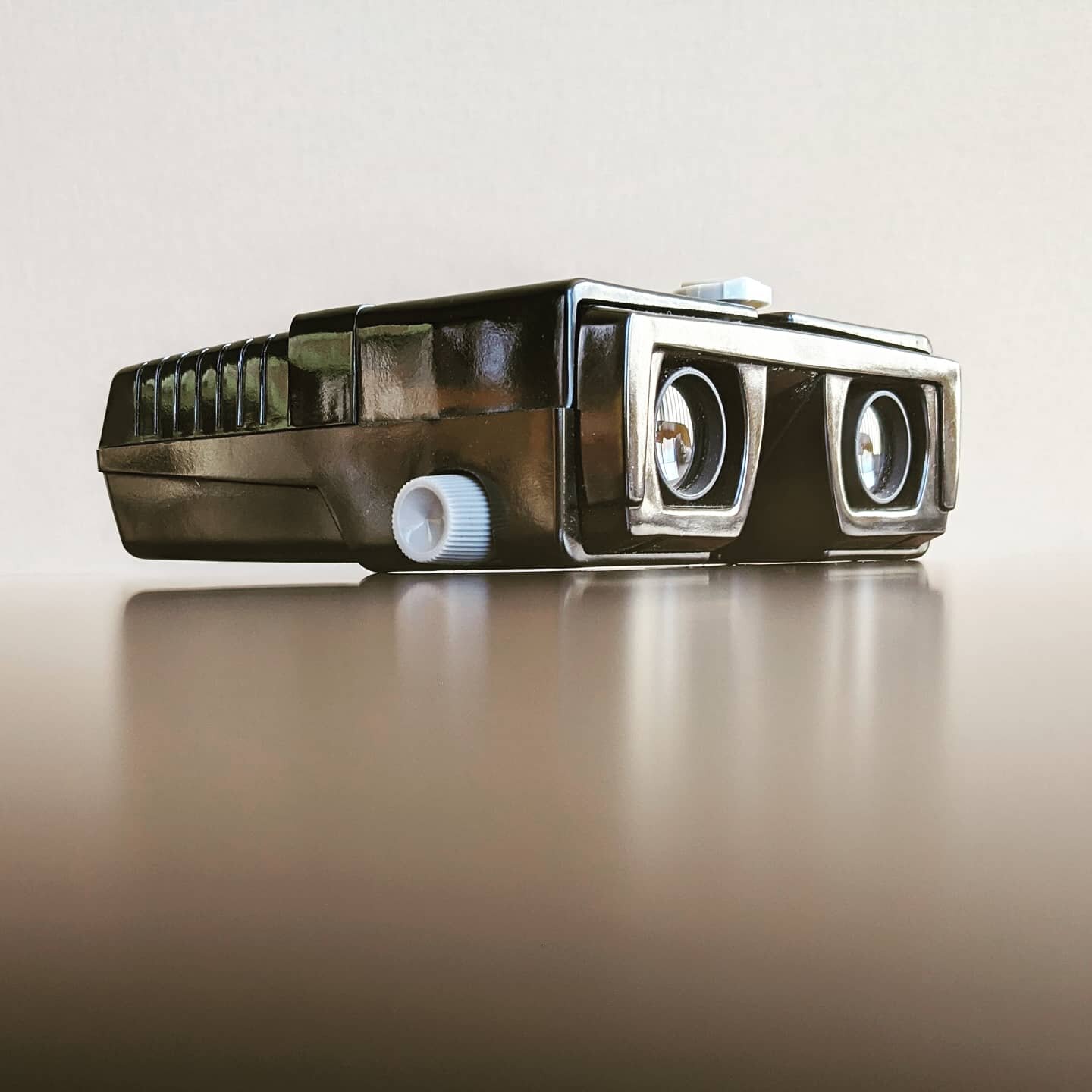
Wollensak

Yashica

Zacoscope
Toy 3D Viewers
Some people are under the impression that all 3D viewers were toys. We hope our website illustrates how much of a myth that is. But, of course, many 3D viewers were designed especially for children. The viewer size and material, the interocular distance, the packaging, and the media subjects were all for the purpose of attracting and entertaining kids. Even some brands not originally designed exclusively for children — like Tru-Vue and View-Master — eventually had specific models geared towards children and were likely to only be found in the toy section of a department store. For View-Master, this shift could be considered as having started with the Model G and the move to plastic. However, we like to think of the transformation starting with the Model L and all the character-face viewers based on that model. With Tru-Vue, the shift happened after they were sold to Sawyer’s and changed their media from filmstrips to cards.
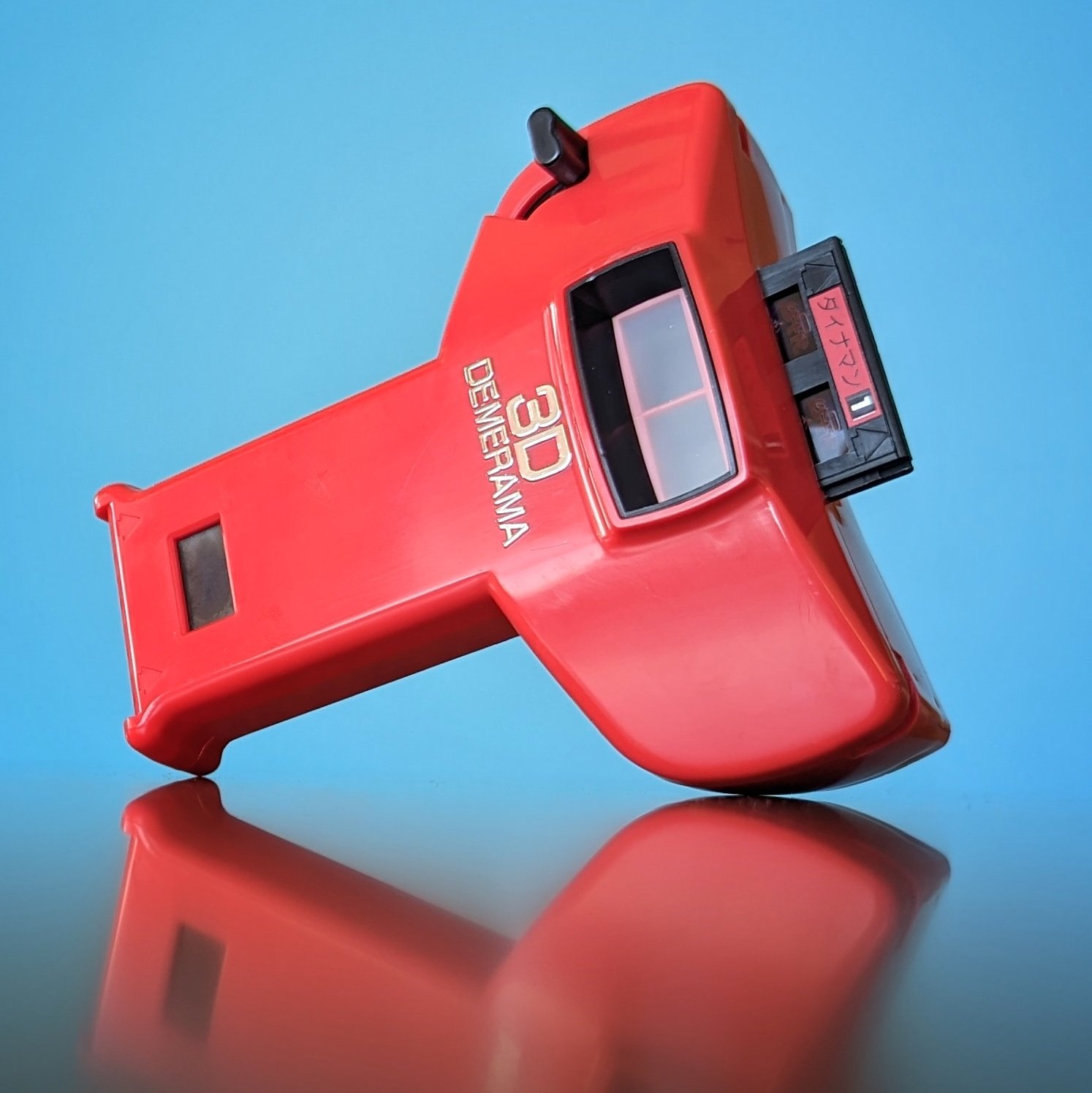
3D Demerama
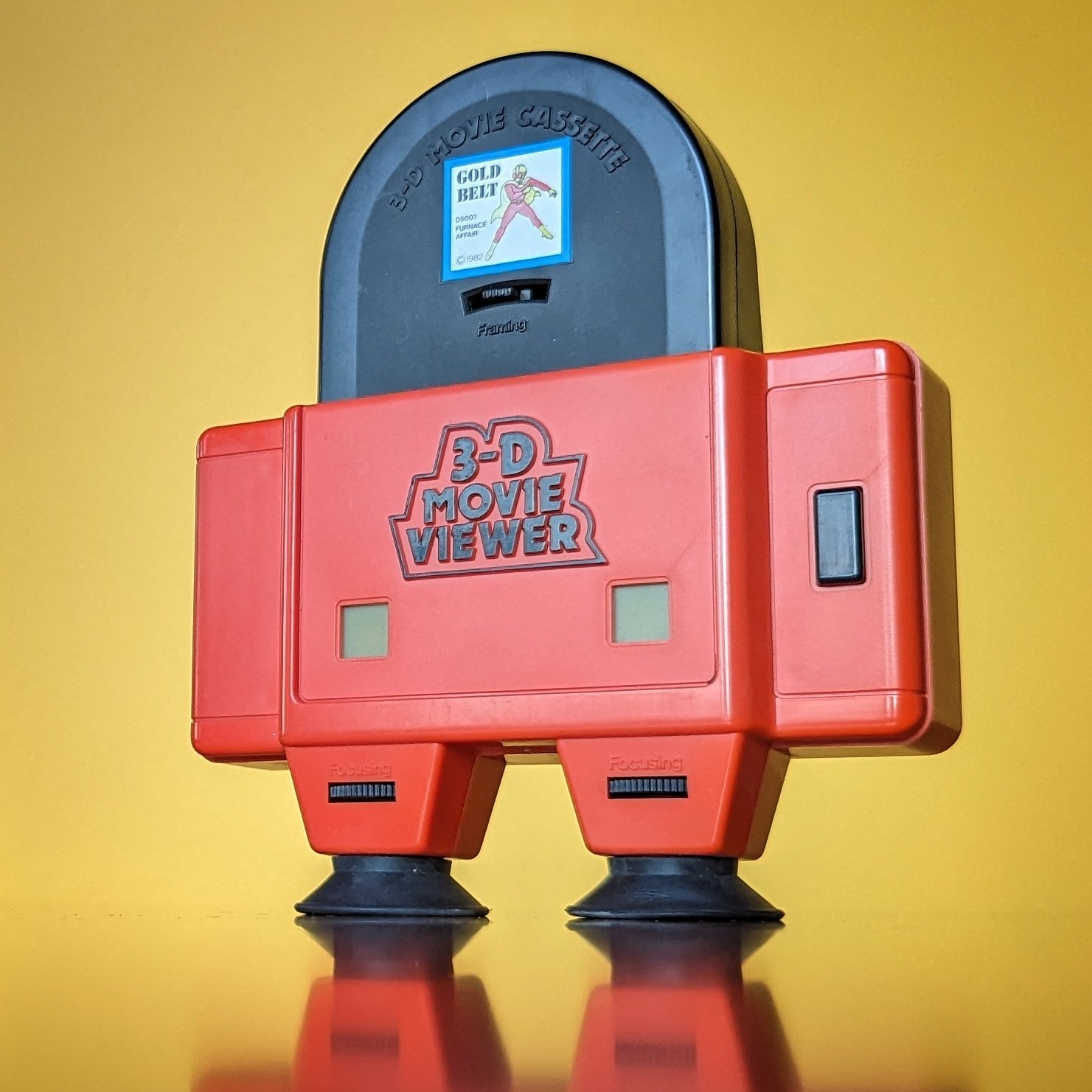
3D Movie Viewer
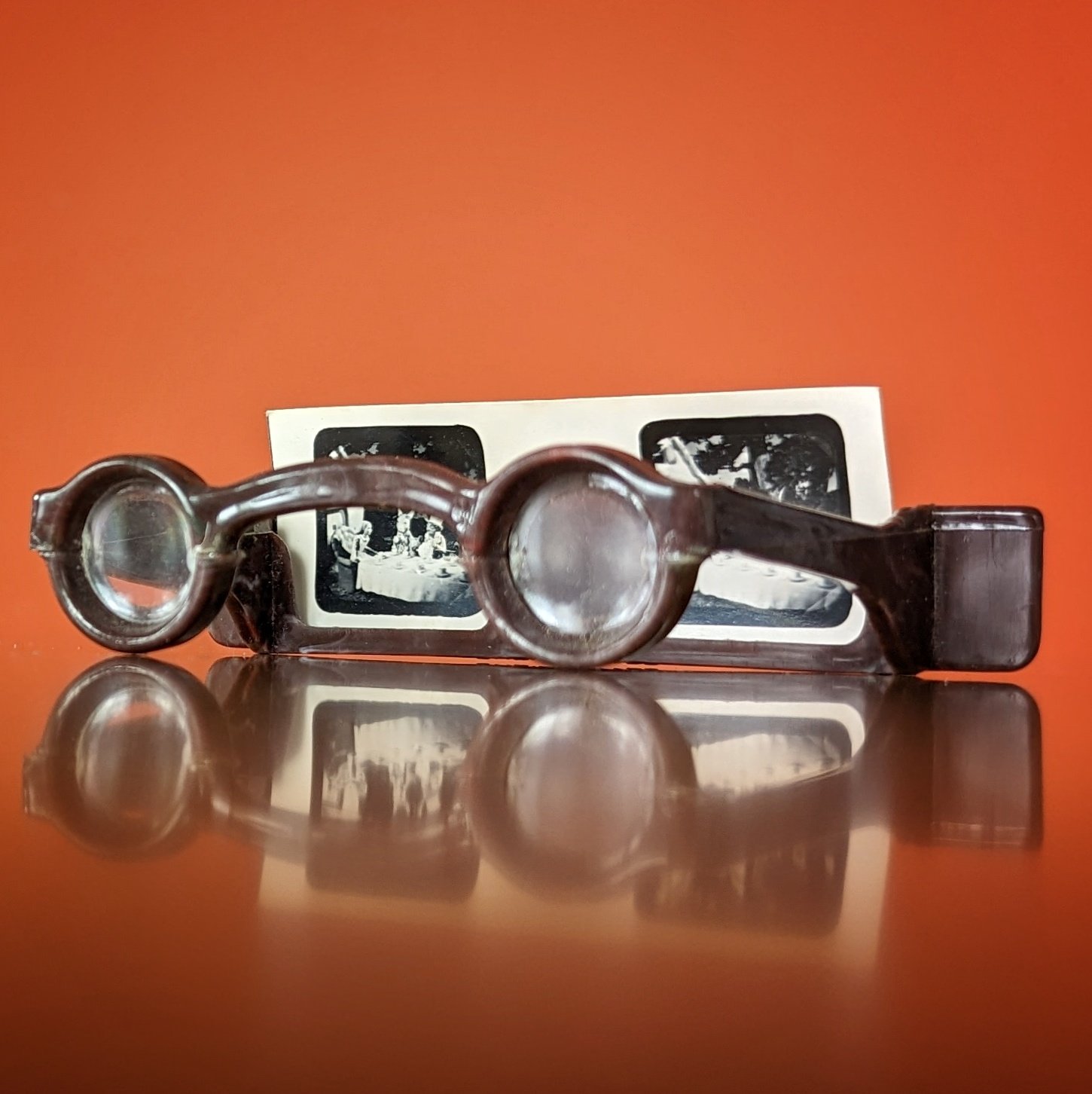
3D Picture Viewer
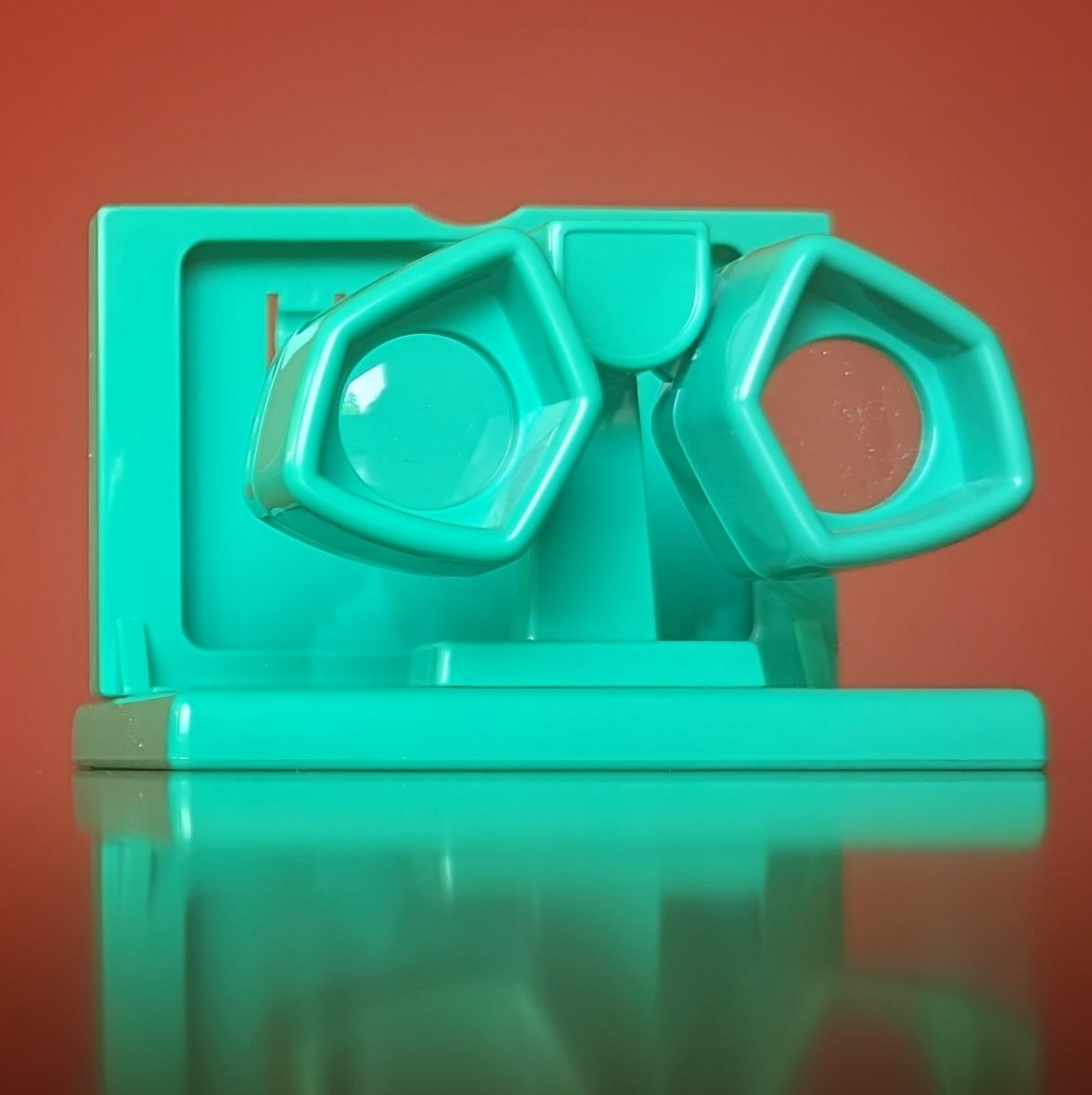
Bandai Doraemon Print Viewer

Beka Star

Craftsmen's Guild Tri-Scope
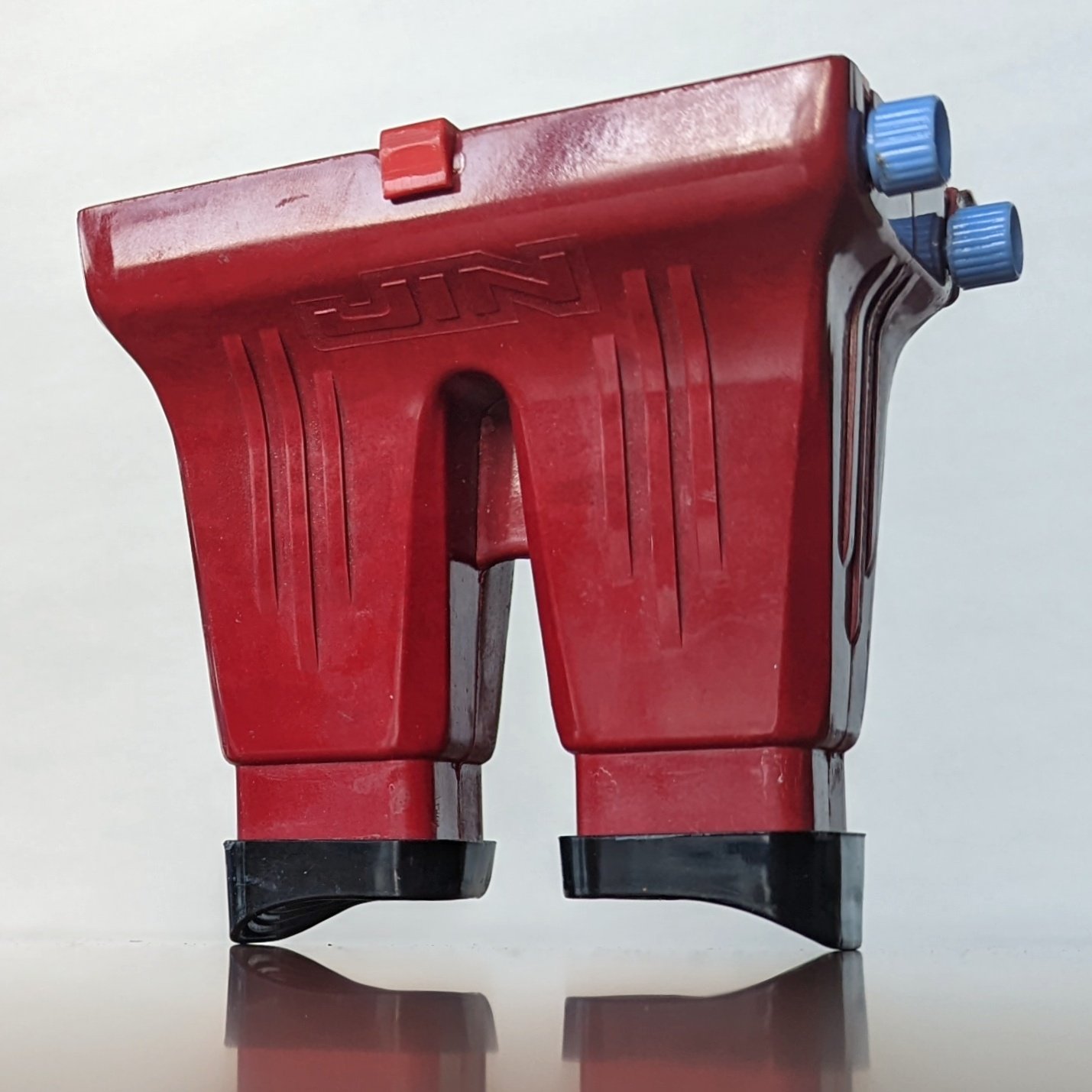
Jin 3D

Mickey Mouse 3D Viewer
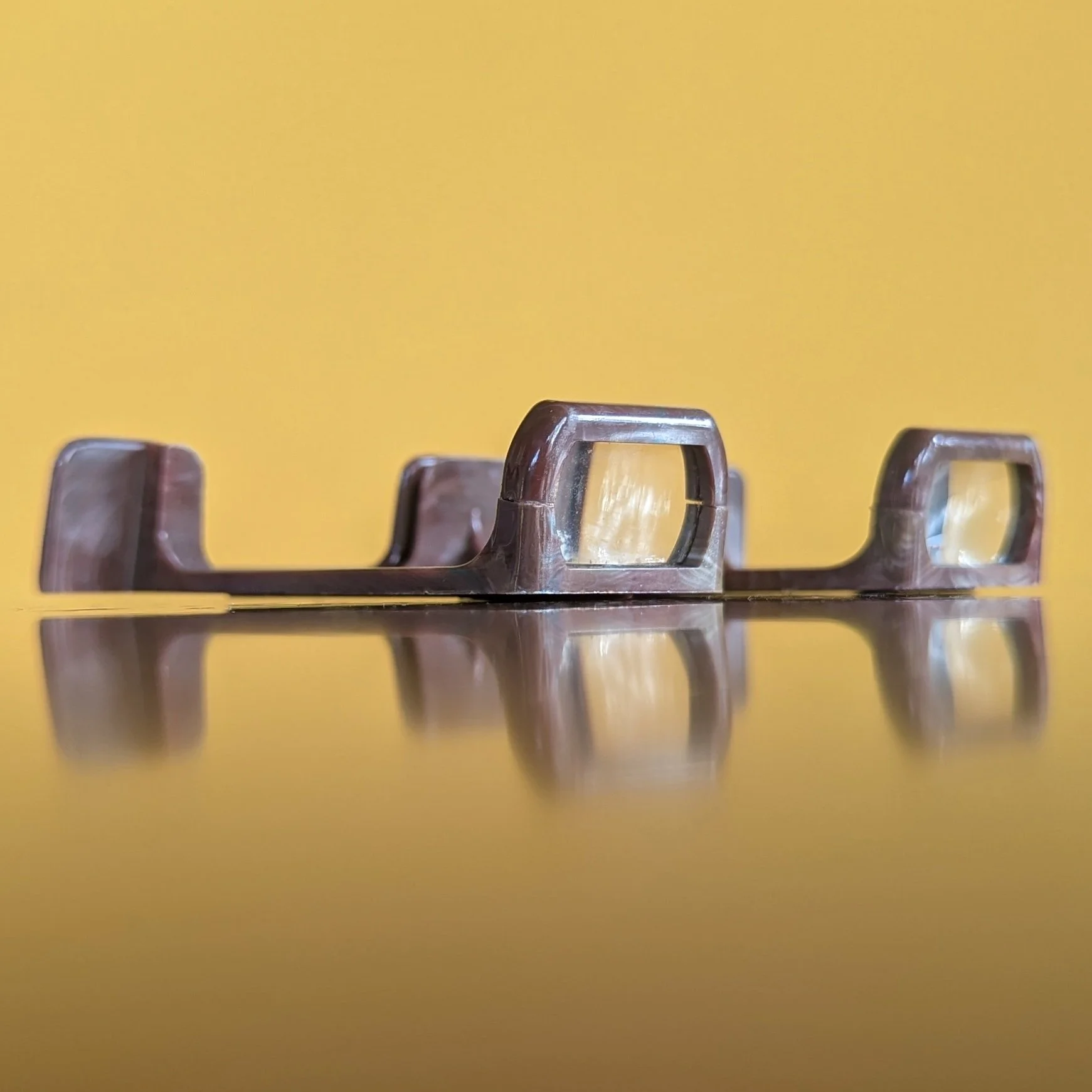
Merit Stori-Viewer

Pixie Viewer

Radex
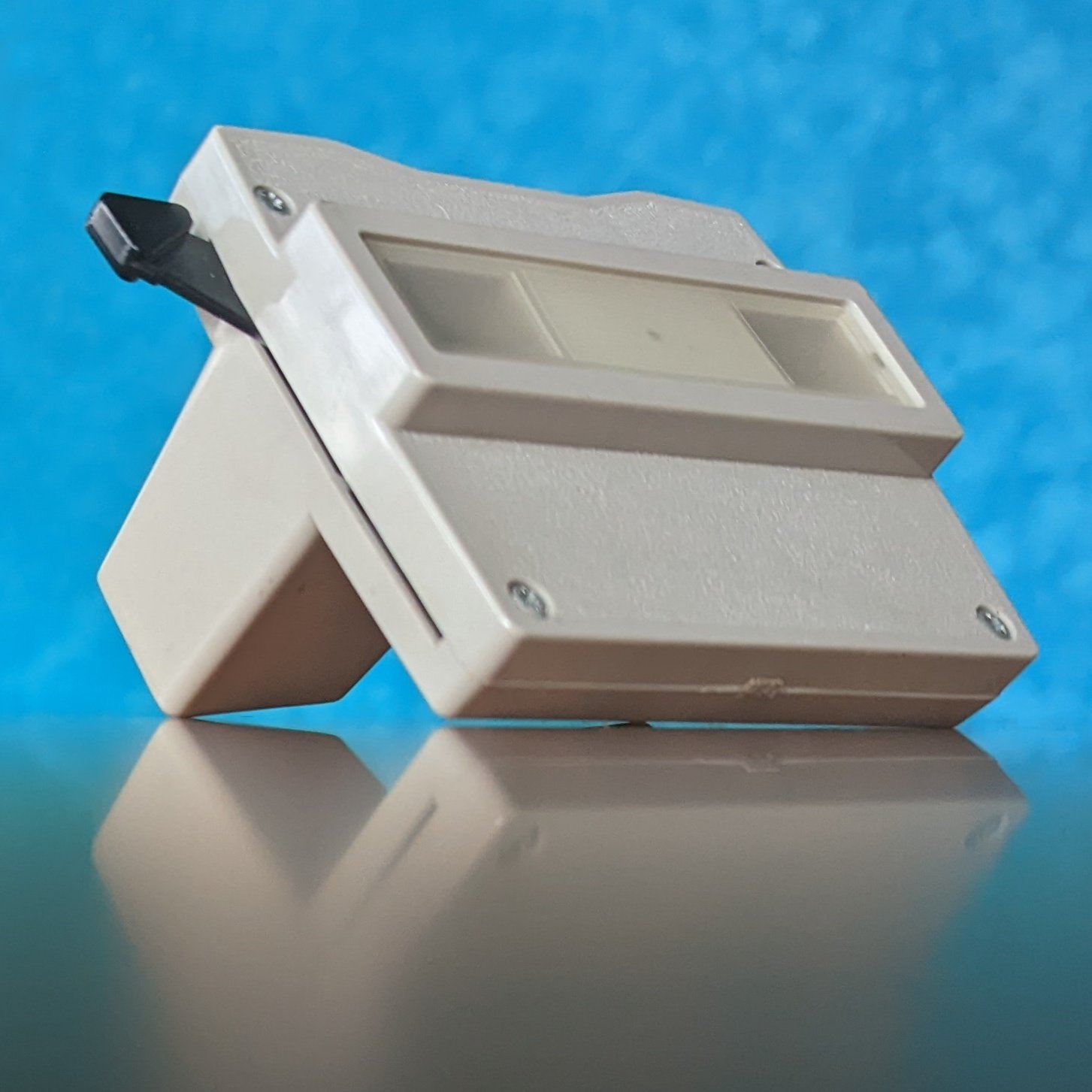
Real Stereo
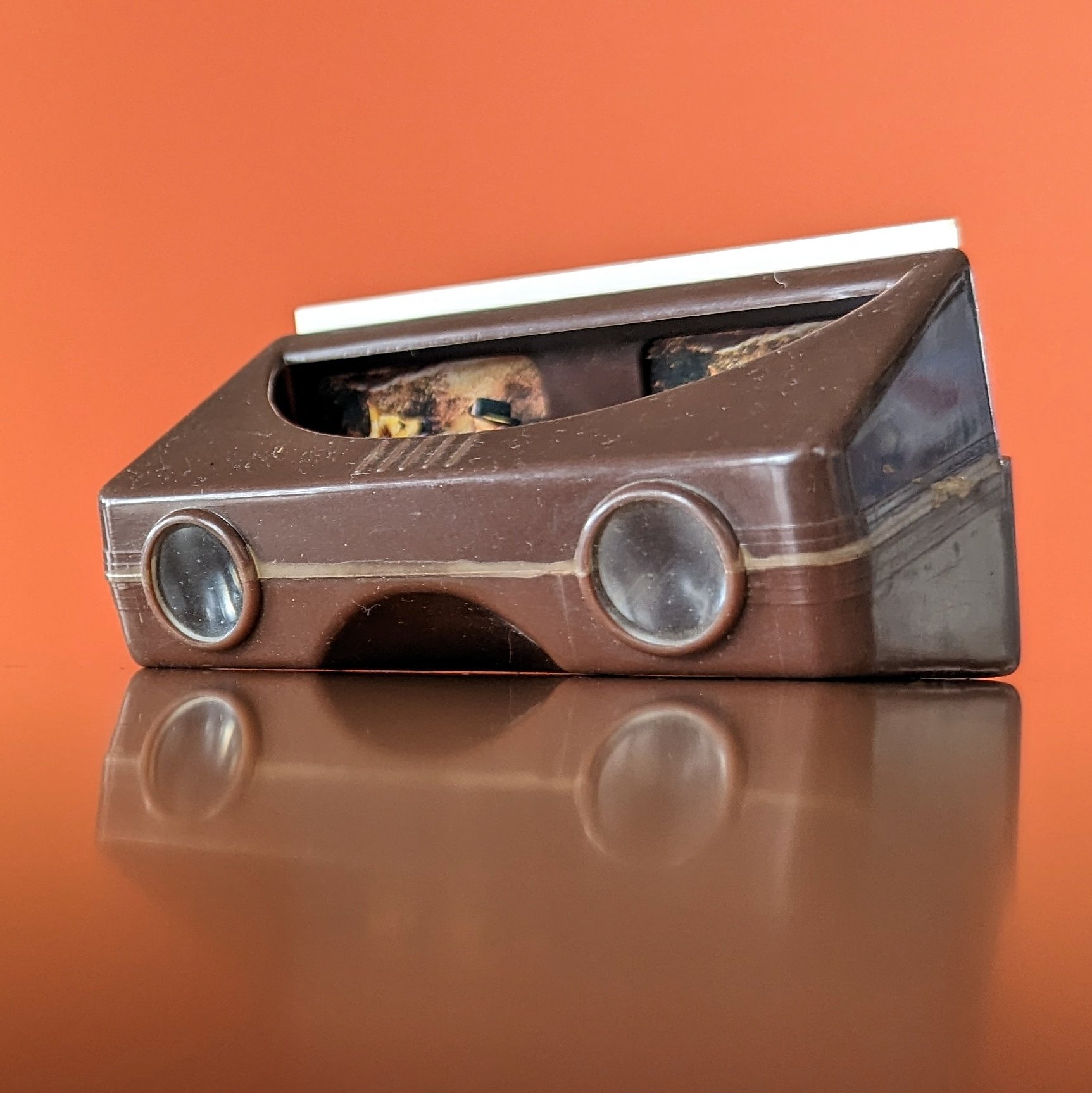
Rin Tin Tin
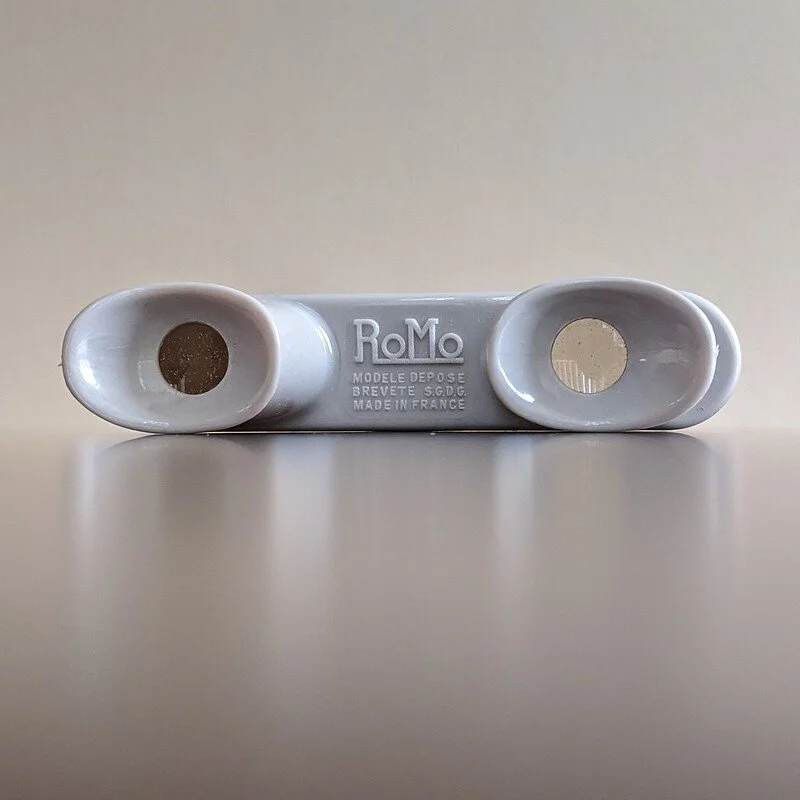
RoMo Junior

See-a-Show

Space Viewer

Stori-Viewer

Treasurscope
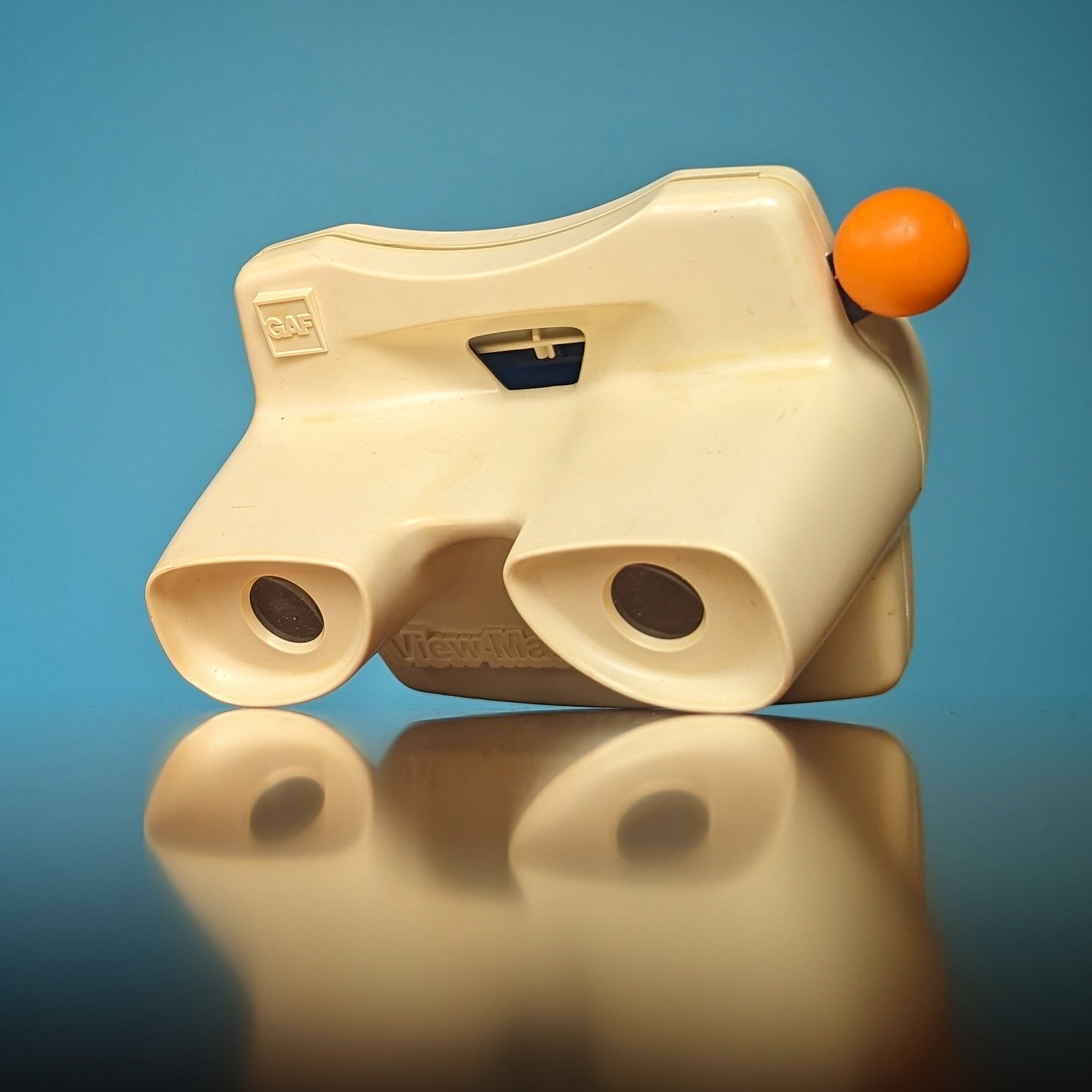
View-Master, L
War 3D Viewers
These vintage viewers were designed, packaged, and sold specifically as documentation (or propaganda) for a war or military conflict.

Fisherview
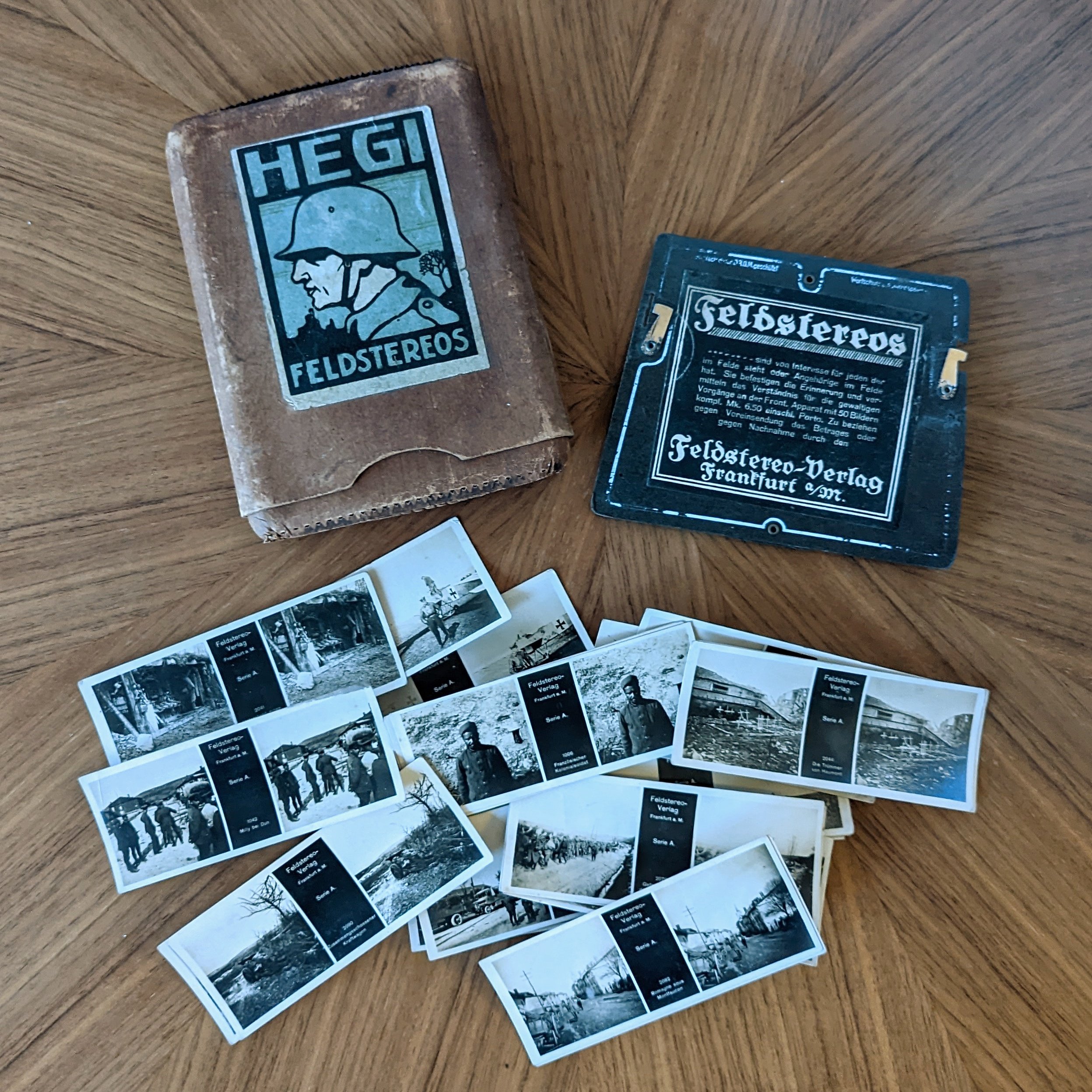
Hegi Feldstereo
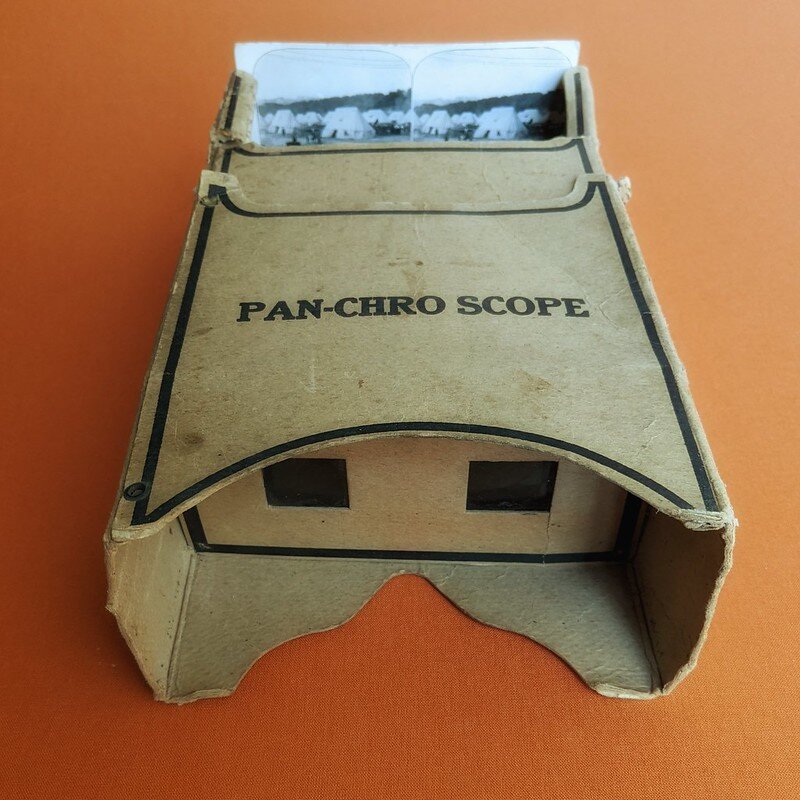
Pan-Chro Scope